Why Wayfinding Is A Must In Modern Healthcare Facilities
Why Wayfinding Is A Must In Modern Healthcare Facilities
Why Wayfinding Is A Must In Modern Healthcare Facilities

Wayfinding in healthcare has become increasingly important as hospitals, medical centers, and healthcare campuses grow larger and more complex. For many patients, visiting a healthcare facility can already be a stressful experience. Adding confusion about where to go can make that situation even more challenging.
Patients may be arriving for an appointment, visiting family, or seeking urgent care. Finding the correct location quickly is important in all cases. Effective navigation systems help guide people through facilities with clarity and confidence.
Many healthcare environments now use digital directories, interactive kiosks, and navigation software to reduce confusion, improve movement, and create a smoother experience for visitors and patients.
As healthcare organizations focus on improving patient satisfaction and operational efficiency, wayfinding has evolved from a convenience into a necessity.
Understanding Wayfinding in Healthcare
Wayfinding refers to the tools and systems that help people move through physical environments. In medical settings, wayfinding in healthcare helps patients, visitors, and staff locate departments, clinics, treatment rooms, pharmacies, laboratories, waiting areas, and other key destinations.
Older systems relied mostly on printed maps and static signage. These still have some value, but modern healthcare environments often require more flexible solutions. Large hospitals may include multiple buildings, specialty wings, parking structures, and long corridors that are difficult to navigate with signs alone.
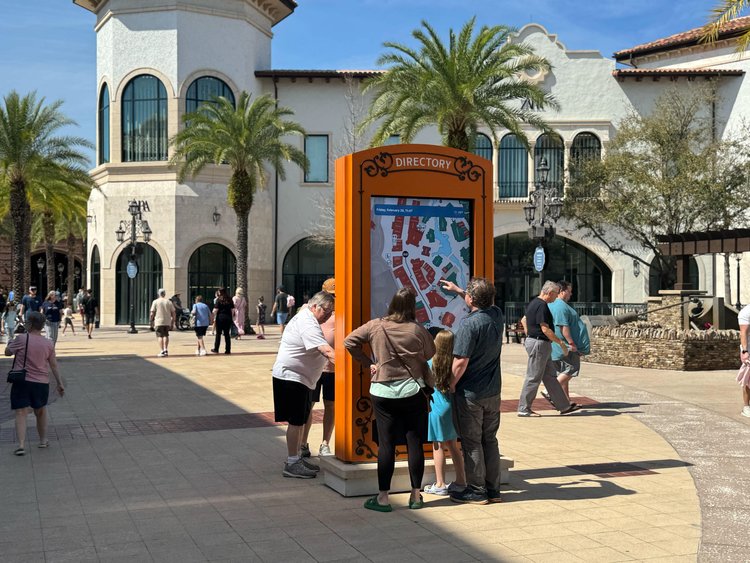
Digital navigation systems introduce a more interactive experience. Visitors can search for destinations and receive step-by-step directions through kiosks or touchscreen directories. This reduces uncertainty and makes movement through the facility more efficient.
Why Navigation Challenges Are Common in Healthcare Facilities
Healthcare facilities are often complex due to continuous expansion and evolving medical needs. Layouts may include multiple wings, specialty departments, elevators, and restricted access zones, which can easily confuse first-time visitors.
Patients frequently arrive under stress. Health concerns, time-sensitive appointments, or emotional situations can make navigation difficulties feel even more overwhelming.
Facilities also serve a wide range of people, including different age groups, languages, and mobility levels. Any navigation system must remain simple, clear, and accessible for all users.
Without clear navigation systems, patients may arrive late, visitors may struggle to find loved ones, and staff may spend significant time giving directions instead of focusing on care responsibilities.
How Wayfinding Improves the Patient Experience
One of the biggest benefits of wayfinding in healthcare is how much it improves the patient experience. Clear directions reduce stress by removing the guesswork of where to go and how to get there.
When patients can quickly find registration areas, treatment rooms, or physician offices, they tend to feel more at ease and more confident during their visit. That sense of clarity often leads to higher satisfaction and a more positive impression of the facility overall.
Digital wayfinding tools also make things more convenient. Interactive touchscreen kiosks let visitors search for destinations in seconds instead of relying on printed maps or stopping multiple staff members for help.
For patients who have mobility challenges or are unfamiliar with the building, these systems can make getting around much simpler and far less stressful.
Supporting Operational Efficiency
Wayfinding systems don’t just help patients, they also make daily operations smoother for healthcare teams.
Reception staff, nurses, and administrative teams often spend a lot of time giving directions. While this support is important, constant interruptions can break focus and slow down other responsibilities.
With digital wayfinding kiosks and interactive directories in place, many routine questions about directions can be reduced. Visitors can find what they need on their own, which helps staff stay focused on patient care and essential tasks.
Better navigation also helps reduce late arrivals and missed appointments. When patients can find their way more easily, schedules run more on time and the entire facility operates more smoothly.
The Role of Digital Wayfinding Technology
Digital wayfinding has changed how healthcare facilities handle navigation. Unlike static signs, these systems give personalized directions based on exactly where someone needs to go.
A visitor can simply search for a clinic, department, doctor’s office, or service and receive step-by-step instructions within moments. Some systems also include visual maps that guide users across floors, hallways, and multiple buildings.
One major advantage is flexibility. Wayfinding software can be updated quickly when departments move, layouts change, or temporary adjustments are made. This keeps information accurate and reliable for everyone using it.
Beyond directions, many digital systems also display announcements, visitor information, and facility updates. This adds extra value and makes the experience more useful for patients and visitors.
Accessibility and Inclusivity Considerations
Modern healthcare facilities need navigation systems that work for everyone. Effective wayfinding must be easy to use for people with different languages, abilities, and levels of familiarity with the space.
Multilingual support helps visitors who do not speak English fluently, making communication smoother and reducing confusion.
Features like audio guidance, simple interfaces, and ADA-compliant kiosk design help ensure that all patients can navigate the facility with confidence. These details play an important role in creating a more welcoming and patient-focused environment.
Why Healthcare Facilities Continue to Invest in Wayfinding
As healthcare campuses grow and patient expectations evolve, the demand for effective navigation solutions continues to increase. Patients increasingly expect seamless, technology-driven experiences similar to those found in retail, hospitality, and transportation environments.
At RoveIQ, we design intelligent digital kiosk and digital signage solutions that make navigation feel simple, interactive, and human-centered. Our smart kiosk and digital wayfinding systems help healthcare facilities improve patient flow, reduce confusion, and create a more connected experience across every touchpoint.
Explore how RoveIQ can support your facility with digital kiosk, interactive touchscreen kiosk, and digital wayfinding solutions built for real-world environments.
Contact us to schedule a consultation, request a quote, or learn more about how our software and hardware work together to move people both physically and emotionally.
FAQs
What is wayfinding in healthcare?
Wayfinding in healthcare refers to the systems, tools, and technologies used to help patients, visitors, and staff navigate hospitals, clinics, and medical campuses efficiently.
Why is wayfinding important in hospitals?
Wayfinding helps reduce confusion, improve patient satisfaction, decrease stress, and support operational efficiency by making it easier for people to find their destinations.
How do digital wayfinding kiosks work?
Digital wayfinding kiosks allow users to search for departments, offices, physicians, and services. The system then provides clear directions and visual navigation assistance.
Can wayfinding improve healthcare operations?
Yes. Effective wayfinding reduces directional inquiries, helps patients arrive on time, minimizes workflow disruptions, and allows staff to focus on patient care rather than navigation assistance.
Wayfinding in healthcare has become increasingly important as hospitals, medical centers, and healthcare campuses grow larger and more complex. For many patients, visiting a healthcare facility can already be a stressful experience. Adding confusion about where to go can make that situation even more challenging.
Patients may be arriving for an appointment, visiting family, or seeking urgent care. Finding the correct location quickly is important in all cases. Effective navigation systems help guide people through facilities with clarity and confidence.
Many healthcare environments now use digital directories, interactive kiosks, and navigation software to reduce confusion, improve movement, and create a smoother experience for visitors and patients.
As healthcare organizations focus on improving patient satisfaction and operational efficiency, wayfinding has evolved from a convenience into a necessity.
Understanding Wayfinding in Healthcare
Wayfinding refers to the tools and systems that help people move through physical environments. In medical settings, wayfinding in healthcare helps patients, visitors, and staff locate departments, clinics, treatment rooms, pharmacies, laboratories, waiting areas, and other key destinations.
Older systems relied mostly on printed maps and static signage. These still have some value, but modern healthcare environments often require more flexible solutions. Large hospitals may include multiple buildings, specialty wings, parking structures, and long corridors that are difficult to navigate with signs alone.
Digital navigation systems introduce a more interactive experience. Visitors can search for destinations and receive step-by-step directions through kiosks or touchscreen directories. This reduces uncertainty and makes movement through the facility more efficient.
Why Navigation Challenges Are Common in Healthcare Facilities
Healthcare facilities are often complex due to continuous expansion and evolving medical needs. Layouts may include multiple wings, specialty departments, elevators, and restricted access zones, which can easily confuse first-time visitors.
Patients frequently arrive under stress. Health concerns, time-sensitive appointments, or emotional situations can make navigation difficulties feel even more overwhelming.
Facilities also serve a wide range of people, including different age groups, languages, and mobility levels. Any navigation system must remain simple, clear, and accessible for all users.
Without clear navigation systems, patients may arrive late, visitors may struggle to find loved ones, and staff may spend significant time giving directions instead of focusing on care responsibilities.
How Wayfinding Improves the Patient Experience
One of the biggest benefits of wayfinding in healthcare is how much it improves the patient experience. Clear directions reduce stress by removing the guesswork of where to go and how to get there.
When patients can quickly find registration areas, treatment rooms, or physician offices, they tend to feel more at ease and more confident during their visit. That sense of clarity often leads to higher satisfaction and a more positive impression of the facility overall.
Digital wayfinding tools also make things more convenient. Interactive touchscreen kiosks let visitors search for destinations in seconds instead of relying on printed maps or stopping multiple staff members for help.
For patients who have mobility challenges or are unfamiliar with the building, these systems can make getting around much simpler and far less stressful.
Supporting Operational Efficiency
Wayfinding systems don’t just help patients, they also make daily operations smoother for healthcare teams.
Reception staff, nurses, and administrative teams often spend a lot of time giving directions. While this support is important, constant interruptions can break focus and slow down other responsibilities.
With digital wayfinding kiosks and interactive directories in place, many routine questions about directions can be reduced. Visitors can find what they need on their own, which helps staff stay focused on patient care and essential tasks.
Better navigation also helps reduce late arrivals and missed appointments. When patients can find their way more easily, schedules run more on time and the entire facility operates more smoothly.
The Role of Digital Wayfinding Technology
Digital wayfinding has changed how healthcare facilities handle navigation. Unlike static signs, these systems give personalized directions based on exactly where someone needs to go.
A visitor can simply search for a clinic, department, doctor’s office, or service and receive step-by-step instructions within moments. Some systems also include visual maps that guide users across floors, hallways, and multiple buildings.
One major advantage is flexibility. Wayfinding software can be updated quickly when departments move, layouts change, or temporary adjustments are made. This keeps information accurate and reliable for everyone using it.
Beyond directions, many digital systems also display announcements, visitor information, and facility updates. This adds extra value and makes the experience more useful for patients and visitors.
Accessibility and Inclusivity Considerations
Modern healthcare facilities need navigation systems that work for everyone. Effective wayfinding must be easy to use for people with different languages, abilities, and levels of familiarity with the space.
Multilingual support helps visitors who do not speak English fluently, making communication smoother and reducing confusion.
Features like audio guidance, simple interfaces, and ADA-compliant kiosk design help ensure that all patients can navigate the facility with confidence. These details play an important role in creating a more welcoming and patient-focused environment.
Why Healthcare Facilities Continue to Invest in Wayfinding
As healthcare campuses grow and patient expectations evolve, the demand for effective navigation solutions continues to increase. Patients increasingly expect seamless, technology-driven experiences similar to those found in retail, hospitality, and transportation environments.
At RoveIQ, we design intelligent digital kiosk and digital signage solutions that make navigation feel simple, interactive, and human-centered. Our smart kiosk and digital wayfinding systems help healthcare facilities improve patient flow, reduce confusion, and create a more connected experience across every touchpoint.
Explore how RoveIQ can support your facility with digital kiosk, interactive touchscreen kiosk, and digital wayfinding solutions built for real-world environments.
Contact us to schedule a consultation, request a quote, or learn more about how our software and hardware work together to move people both physically and emotionally.
FAQs
What is wayfinding in healthcare?
Wayfinding in healthcare refers to the systems, tools, and technologies used to help patients, visitors, and staff navigate hospitals, clinics, and medical campuses efficiently.
Why is wayfinding important in hospitals?
Wayfinding helps reduce confusion, improve patient satisfaction, decrease stress, and support operational efficiency by making it easier for people to find their destinations.
How do digital wayfinding kiosks work?
Digital wayfinding kiosks allow users to search for departments, offices, physicians, and services. The system then provides clear directions and visual navigation assistance.
Can wayfinding improve healthcare operations?
Yes. Effective wayfinding reduces directional inquiries, helps patients arrive on time, minimizes workflow disruptions, and allows staff to focus on patient care rather than navigation assistance.