What Is A Touch Screen Kiosk? Business Benefits Explained

Dec 10, 2025

If you've ever found yourself in an airport, shopping center, museum, or hospital, chances are you’ve interacted with a touch screen. But what is touch screen kiosk technology, really? 

At its center, a touch screen kiosk is a self-service digital station that allows users to perform tasks, access information, or make transactions using a responsive display. 

These kiosks have become a defining element of modern service environments, replacing outdated processes with faster, more intuitive interactions.

Built with touchscreen capability, these kiosks allow users to tap, swipe, and select options without needing a keyboard or mouse. This makes the interface feel familiar and easy to use, even for first-time visitors. 

Because the experience is self-directed, users gain more control over how they receive information or complete a service.

Businesses across industries are turning to digital touchscreen kiosks to modernize guest engagement, reduce wait times, and offer round-the-clock access to services. With flexible hardware designs and customizable software, these systems adapt to almost any public or semi-public space. 

Making First Impressions Count with Digital Touchpoints

The initial moments of a customer’s visit often shape their entire perception of a business. A well-placed digital touchscreen kiosk offers a high-impact welcome that’s informative, interactive, and efficient. 

Whether located in a lobby, retail floor, or transit hub, the kiosk immediately provides value by helping users get oriented and find what they need.

Instead of waiting in line for a receptionist, visitors can check themselves in. Instead of scanning printed directories, shoppers can search by category or brand. Instead of relying on outdated signage, users can tap into real-time data that reflects current schedules, promotions, or availability.

This kind of experience reduces stress and helps visitors feel in control. The intuitive design makes it easier for people to interact with a business on their terms without confusion or delay. That sense of autonomy builds trust, especially in environments where time and clarity matter.

Why Touch Screen Kiosks Appeal to Modern Consumers

Consumer behavior has shifted. People now expect digital options in most service interactions, especially in places where efficiency is imperative. 

A touch screen interface feels natural, just like using a smartphone or tablet. That familiarity lowers the barrier to entry and encourages use across age groups and demographics.

Kiosks also offer a more private way to complete tasks that some visitors prefer to do independently, like checking into a medical appointment, placing a food order, or reviewing personal account details. This discretion makes the interaction more comfortable and accessible.

Since these kiosks typically operate with quick touch responses and visually engaging interfaces, the experience feels fast and satisfying. Businesses no longer need to choose between convenience and quality. They can deliver both, all from one compact station.

Supporting Outdoor Environments with Specialized Designs

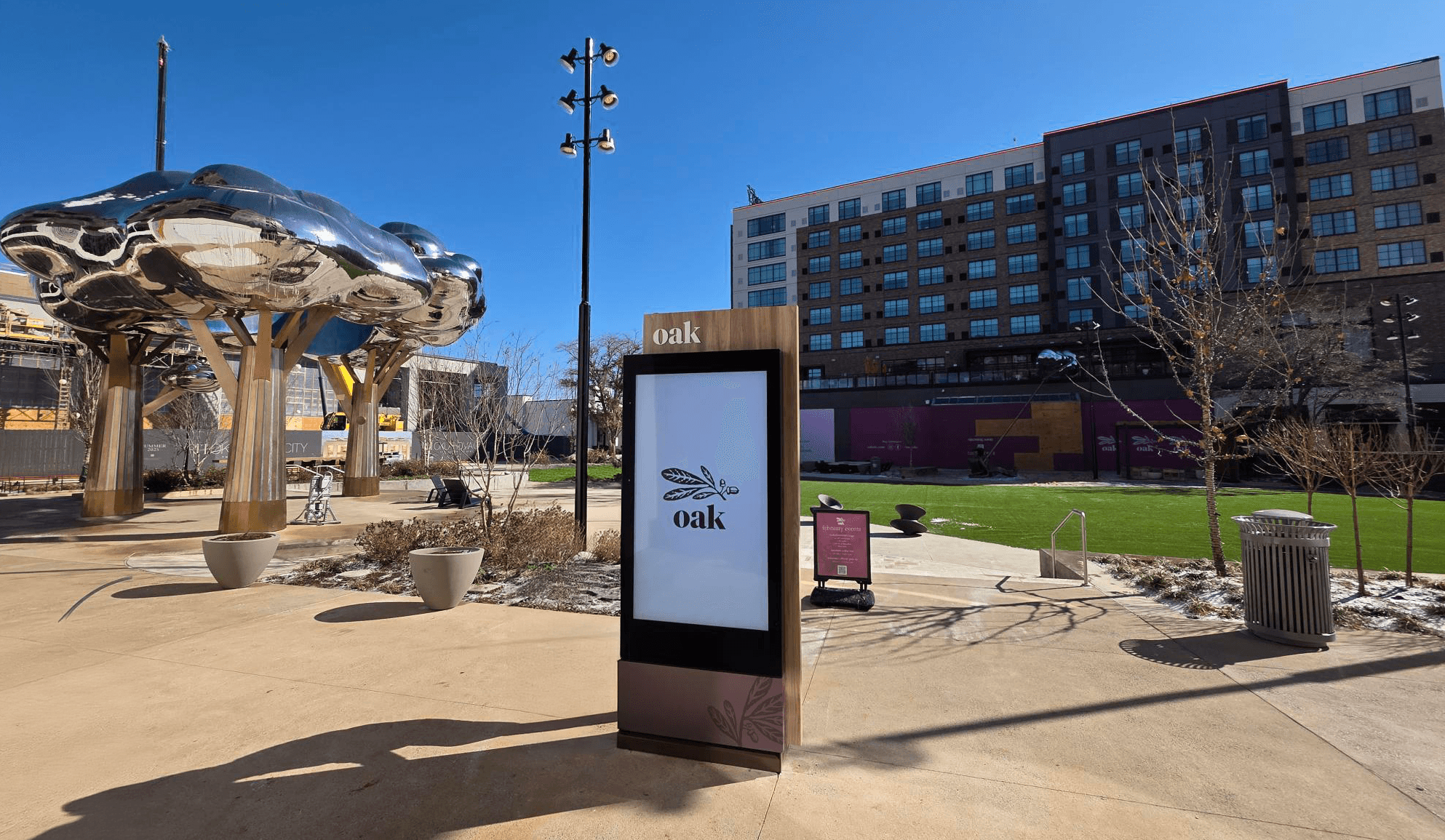
Touch screen technology isn’t limited to indoor lobbies or malls. The outdoor digital kiosk has transformed how businesses reach people beyond the walls of their buildings. 

These units are designed for exposure to natural elements, with screen brightness that adjusts to daylight, anti-glare coatings, and weather-ready materials that hold up to regular use.

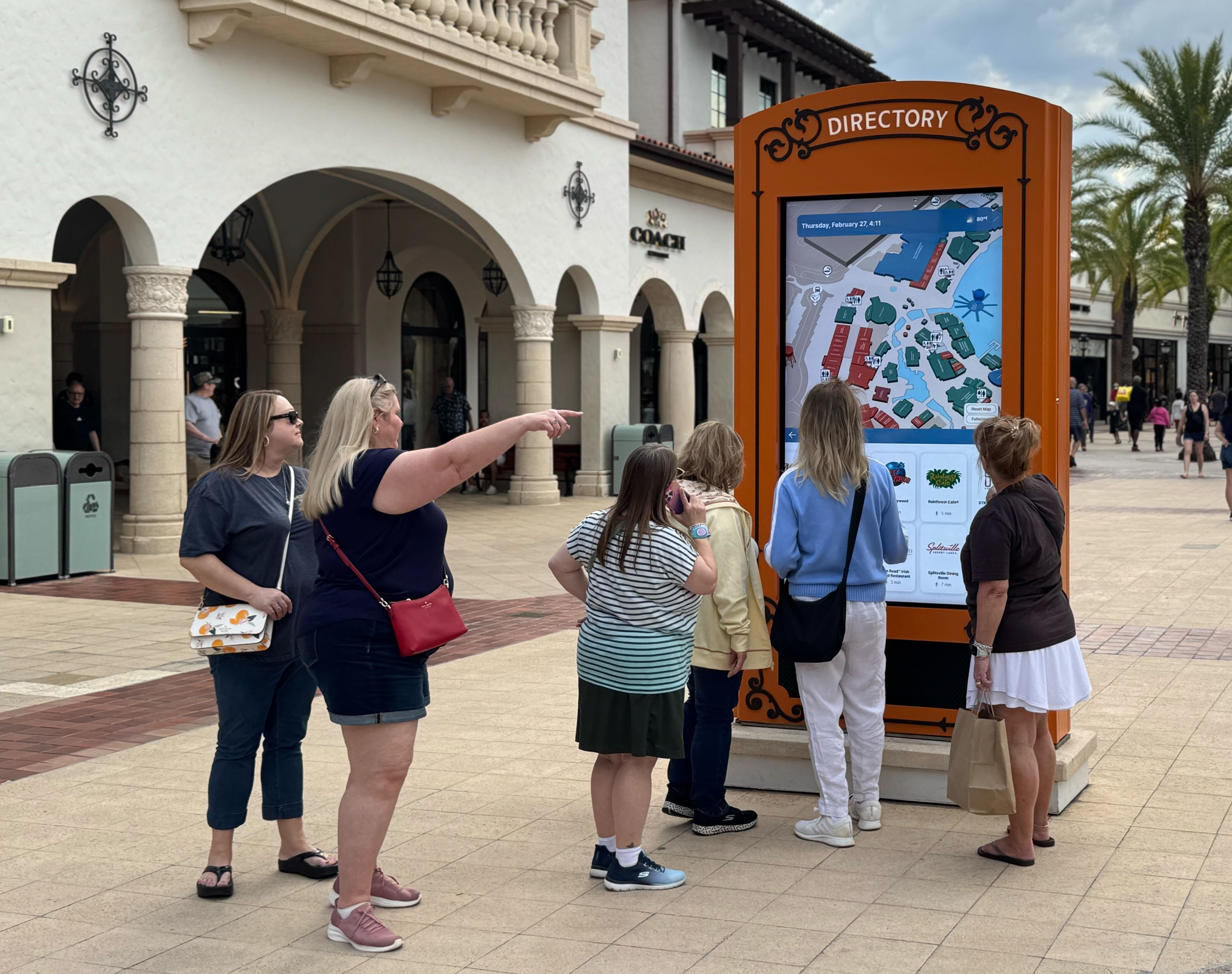
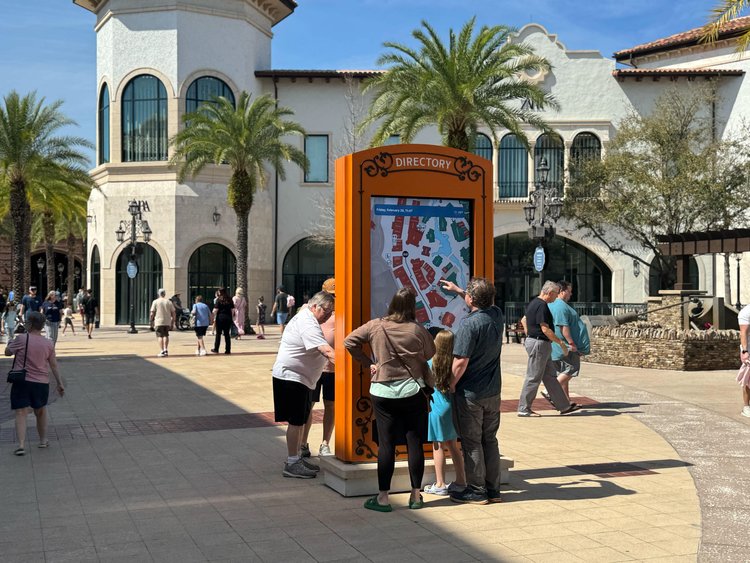
Placed outside shopping centers, tourist districts, or transit stations, these kiosks meet people where they are. They offer wayfinding, promotions, or local information before guests even step inside. 

They serve as digital ambassadors for a property or brand, and their presence can reduce congestion inside by answering common questions at the entrance.

An outdoor touchscreen kiosk is particularly effective in large campuses, mixed-use developments, or multi-building retail complexes where orientation is difficult. Instead of needing to ask for directions, visitors can explore the environment visually, with interactive guidance that updates as needed.

Serving Shopping Centers and Mixed-Use Spaces

One of the most promising environments for touchscreen kiosks is the shopping centers and mixed-use kiosks market. These developments combine retail, residential, dining, and entertainment, drawing diverse crowds throughout the day. Visitors may arrive with a specific goal or with no plan at all.

For property owners and retailers, this creates a challenge: how do you capture attention and serve guests without overwhelming them? That’s where a kiosk makes the difference.

Placed at major intersections or entrances, a touchscreen kiosk helps people find stores, browse current sales, check showtimes, take a selfie, or sign up for loyalty programs. The digital format allows for rotating promotions and seasonal updates, so the content never feels stale.

More importantly, the presence of the kiosk shows that the property values convenience, clarity, and up-to-date communication. Visitors respond positively to that kind of modern infrastructure, and it often leads to longer stays, more engagement, and increased purchases.

Reducing Labor Demands Without Sacrificing Service

In a time when many businesses are short-staffed or working with leaner teams, digital kiosks offer relief. They pick up routine tasks so human staff can focus on service moments that require empathy or problem-solving.

For example, in a hotel, a touchscreen kiosk can handle check-in, print room keys, and offer local recommendations. All this before a guest ever approaches the front desk. 

In a clinic, patients can use the kiosk to register, verify insurance, and update records. In a retail store, shoppers might use it to check inventory, request item sizes, or place custom orders.

By offloading these transactional steps to a kiosk, staff members are freed to participate in meaningful interactions. That division of labor makes the entire experience smoother for both guests and employees.

Data Insights and Analytics from Kiosk Use

Touchscreen kiosks don’t just deliver services. They collect insights. Each interaction adds to a valuable picture of user behavior: What people search for, which times of day see the most usage, which screens get tapped most often, and how long users stay on each section.

This data allows businesses to fine-tune their content, improve layout design, and shift strategies based on real engagement. Instead of guessing what customers want, companies can respond to actual trends.

For mall operators or mixed-use property developers, this insight is especially helpful. They can see which stores attract attention, which features get repeated traffic, and where people seem to pause or ask for help. That information supports smarter planning and better service layouts.

Adapting to Changing Needs and New Features

Touch screen kiosks are built with flexibility in mind. Their digital nature allows businesses to update content, add new services, or adjust branding without needing to swap out hardware. That adaptability supports a long-term strategy that grows with the business.

For instance, a mall might add a new food court tenant and update its kiosks with a photo gallery and menu details. A city center might launch a holiday light show and use kiosks to guide guests through the exhibit. A transit hub might change its train schedule and instantly reflect the updates across every kiosk on site.

These changes can be made centrally through cloud-based management platforms, allowing even large-scale networks of kiosks to remain current and consistent.

Touch Screen Kiosks Are an Investment in Experience

Too often, digital infrastructure is treated as an afterthought. It’s something to be added after the rest of the space is designed. 

But touchscreen kiosks deserve a place in the core strategy of modern environments. They offer practical services, generate engagement, and contribute to a perception of efficiency and care.

Shoppers, visitors, patients, and guests all benefit from the presence of touchscreen kiosks. The format is intuitive, the access is immediate, and the experience feels customized.

When people get what they need quickly, they’re more likely to trust the business, return in the future, and speak positively about their visit. From the first screen tap to the final transaction, kiosks help move people through their journey with clarity and confidence.

How RoveIQ Delivers Purpose-Built Kiosk Experiences

At RoveIQ, we don’t just answer the question, “What is a touch screen kiosk?” We help you apply the answer to your space in a way that’s meaningful and strategic. Our kiosk solutions are built to serve both functionality and brand identity. 

Whether you need a modern digital touchscreen kiosk in a retail center or an outdoor touchscreen kiosk in a mixed-use development, we craft systems that blend into your world and deliver value from day one.

We know that each location has unique needs, and that’s why our technology adapts to your audience, not the other way around. From mall directories and event listings to ticketing, wayfinding, and advertising, our software is made for clarity and ease.

We also support high-traffic shopping centers and mixed-use kiosks, where dynamic, responsive communication makes a major impact. Our kiosks aren’t passive signs. They’re active tools that welcome, inform, and delight. 

With built-in management tools and top-tier support, our systems are designed to evolve as your business grows.

Let’s transform your guest experience with the power of touch. Contact RoveIQ, schedule a consultation, or request a customized quote today and discover how our kiosks help move people physically and emotionally.

If you've ever found yourself in an airport, shopping center, museum, or hospital, chances are you’ve interacted with a touch screen. But what is touch screen kiosk technology, really? 

At its center, a touch screen kiosk is a self-service digital station that allows users to perform tasks, access information, or make transactions using a responsive display. 

These kiosks have become a defining element of modern service environments, replacing outdated processes with faster, more intuitive interactions.

Built with touchscreen capability, these kiosks allow users to tap, swipe, and select options without needing a keyboard or mouse. This makes the interface feel familiar and easy to use, even for first-time visitors. 

Because the experience is self-directed, users gain more control over how they receive information or complete a service.

Businesses across industries are turning to digital touchscreen kiosks to modernize guest engagement, reduce wait times, and offer round-the-clock access to services. With flexible hardware designs and customizable software, these systems adapt to almost any public or semi-public space. 

Making First Impressions Count with Digital Touchpoints

The initial moments of a customer’s visit often shape their entire perception of a business. A well-placed digital touchscreen kiosk offers a high-impact welcome that’s informative, interactive, and efficient. 

Whether located in a lobby, retail floor, or transit hub, the kiosk immediately provides value by helping users get oriented and find what they need.

Instead of waiting in line for a receptionist, visitors can check themselves in. Instead of scanning printed directories, shoppers can search by category or brand. Instead of relying on outdated signage, users can tap into real-time data that reflects current schedules, promotions, or availability.

This kind of experience reduces stress and helps visitors feel in control. The intuitive design makes it easier for people to interact with a business on their terms without confusion or delay. That sense of autonomy builds trust, especially in environments where time and clarity matter.

Why Touch Screen Kiosks Appeal to Modern Consumers

Consumer behavior has shifted. People now expect digital options in most service interactions, especially in places where efficiency is imperative. 

A touch screen interface feels natural, just like using a smartphone or tablet. That familiarity lowers the barrier to entry and encourages use across age groups and demographics.

Kiosks also offer a more private way to complete tasks that some visitors prefer to do independently, like checking into a medical appointment, placing a food order, or reviewing personal account details. This discretion makes the interaction more comfortable and accessible.

Since these kiosks typically operate with quick touch responses and visually engaging interfaces, the experience feels fast and satisfying. Businesses no longer need to choose between convenience and quality. They can deliver both, all from one compact station.

Supporting Outdoor Environments with Specialized Designs

Touch screen technology isn’t limited to indoor lobbies or malls. The outdoor digital kiosk has transformed how businesses reach people beyond the walls of their buildings. 

These units are designed for exposure to natural elements, with screen brightness that adjusts to daylight, anti-glare coatings, and weather-ready materials that hold up to regular use.

Placed outside shopping centers, tourist districts, or transit stations, these kiosks meet people where they are. They offer wayfinding, promotions, or local information before guests even step inside. 

They serve as digital ambassadors for a property or brand, and their presence can reduce congestion inside by answering common questions at the entrance.

An outdoor touchscreen kiosk is particularly effective in large campuses, mixed-use developments, or multi-building retail complexes where orientation is difficult. Instead of needing to ask for directions, visitors can explore the environment visually, with interactive guidance that updates as needed.

Serving Shopping Centers and Mixed-Use Spaces

One of the most promising environments for touchscreen kiosks is the shopping centers and mixed-use kiosks market. These developments combine retail, residential, dining, and entertainment, drawing diverse crowds throughout the day. Visitors may arrive with a specific goal or with no plan at all.

For property owners and retailers, this creates a challenge: how do you capture attention and serve guests without overwhelming them? That’s where a kiosk makes the difference.

Placed at major intersections or entrances, a touchscreen kiosk helps people find stores, browse current sales, check showtimes, take a selfie, or sign up for loyalty programs. The digital format allows for rotating promotions and seasonal updates, so the content never feels stale.

More importantly, the presence of the kiosk shows that the property values convenience, clarity, and up-to-date communication. Visitors respond positively to that kind of modern infrastructure, and it often leads to longer stays, more engagement, and increased purchases.

Reducing Labor Demands Without Sacrificing Service

In a time when many businesses are short-staffed or working with leaner teams, digital kiosks offer relief. They pick up routine tasks so human staff can focus on service moments that require empathy or problem-solving.

For example, in a hotel, a touchscreen kiosk can handle check-in, print room keys, and offer local recommendations. All this before a guest ever approaches the front desk. 

In a clinic, patients can use the kiosk to register, verify insurance, and update records. In a retail store, shoppers might use it to check inventory, request item sizes, or place custom orders.

By offloading these transactional steps to a kiosk, staff members are freed to participate in meaningful interactions. That division of labor makes the entire experience smoother for both guests and employees.

Data Insights and Analytics from Kiosk Use

Touchscreen kiosks don’t just deliver services. They collect insights. Each interaction adds to a valuable picture of user behavior: What people search for, which times of day see the most usage, which screens get tapped most often, and how long users stay on each section.

This data allows businesses to fine-tune their content, improve layout design, and shift strategies based on real engagement. Instead of guessing what customers want, companies can respond to actual trends.

For mall operators or mixed-use property developers, this insight is especially helpful. They can see which stores attract attention, which features get repeated traffic, and where people seem to pause or ask for help. That information supports smarter planning and better service layouts.

Adapting to Changing Needs and New Features

Touch screen kiosks are built with flexibility in mind. Their digital nature allows businesses to update content, add new services, or adjust branding without needing to swap out hardware. That adaptability supports a long-term strategy that grows with the business.

For instance, a mall might add a new food court tenant and update its kiosks with a photo gallery and menu details. A city center might launch a holiday light show and use kiosks to guide guests through the exhibit. A transit hub might change its train schedule and instantly reflect the updates across every kiosk on site.

These changes can be made centrally through cloud-based management platforms, allowing even large-scale networks of kiosks to remain current and consistent.

Touch Screen Kiosks Are an Investment in Experience

Too often, digital infrastructure is treated as an afterthought. It’s something to be added after the rest of the space is designed. 

But touchscreen kiosks deserve a place in the core strategy of modern environments. They offer practical services, generate engagement, and contribute to a perception of efficiency and care.

Shoppers, visitors, patients, and guests all benefit from the presence of touchscreen kiosks. The format is intuitive, the access is immediate, and the experience feels customized.

When people get what they need quickly, they’re more likely to trust the business, return in the future, and speak positively about their visit. From the first screen tap to the final transaction, kiosks help move people through their journey with clarity and confidence.

How RoveIQ Delivers Purpose-Built Kiosk Experiences

At RoveIQ, we don’t just answer the question, “What is a touch screen kiosk?” We help you apply the answer to your space in a way that’s meaningful and strategic. Our kiosk solutions are built to serve both functionality and brand identity. 

Whether you need a modern digital touchscreen kiosk in a retail center or an outdoor touchscreen kiosk in a mixed-use development, we craft systems that blend into your world and deliver value from day one.

We know that each location has unique needs, and that’s why our technology adapts to your audience, not the other way around. From mall directories and event listings to ticketing, wayfinding, and advertising, our software is made for clarity and ease.

We also support high-traffic shopping centers and mixed-use kiosks, where dynamic, responsive communication makes a major impact. Our kiosks aren’t passive signs. They’re active tools that welcome, inform, and delight. 

With built-in management tools and top-tier support, our systems are designed to evolve as your business grows.

Let’s transform your guest experience with the power of touch. Contact RoveIQ, schedule a consultation, or request a customized quote today and discover how our kiosks help move people physically and emotionally.
If you've ever found yourself in an airport, shopping center, museum, or hospital, chances are you’ve interacted with a touch screen. But what is touch screen kiosk technology, really? 

At its center, a touch screen kiosk is a self-service digital station that allows users to perform tasks, access information, or make transactions using a responsive display. 

These kiosks have become a defining element of modern service environments, replacing outdated processes with faster, more intuitive interactions.

Built with touchscreen capability, these kiosks allow users to tap, swipe, and select options without needing a keyboard or mouse. This makes the interface feel familiar and easy to use, even for first-time visitors. 

Because the experience is self-directed, users gain more control over how they receive information or complete a service.

Businesses across industries are turning to digital touchscreen kiosks to modernize guest engagement, reduce wait times, and offer round-the-clock access to services. With flexible hardware designs and customizable software, these systems adapt to almost any public or semi-public space. 

Making First Impressions Count with Digital Touchpoints

The initial moments of a customer’s visit often shape their entire perception of a business. A well-placed digital touchscreen kiosk offers a high-impact welcome that’s informative, interactive, and efficient. 

Whether located in a lobby, retail floor, or transit hub, the kiosk immediately provides value by helping users get oriented and find what they need.

Instead of waiting in line for a receptionist, visitors can check themselves in. Instead of scanning printed directories, shoppers can search by category or brand. Instead of relying on outdated signage, users can tap into real-time data that reflects current schedules, promotions, or availability.

This kind of experience reduces stress and helps visitors feel in control. The intuitive design makes it easier for people to interact with a business on their terms without confusion or delay. That sense of autonomy builds trust, especially in environments where time and clarity matter.

Why Touch Screen Kiosks Appeal to Modern Consumers

Consumer behavior has shifted. People now expect digital options in most service interactions, especially in places where efficiency is imperative. 

A touch screen interface feels natural, just like using a smartphone or tablet. That familiarity lowers the barrier to entry and encourages use across age groups and demographics.

Kiosks also offer a more private way to complete tasks that some visitors prefer to do independently, like checking into a medical appointment, placing a food order, or reviewing personal account details. This discretion makes the interaction more comfortable and accessible.

Since these kiosks typically operate with quick touch responses and visually engaging interfaces, the experience feels fast and satisfying. Businesses no longer need to choose between convenience and quality. They can deliver both, all from one compact station.

Supporting Outdoor Environments with Specialized Designs

Touch screen technology isn’t limited to indoor lobbies or malls. The outdoor digital kiosk has transformed how businesses reach people beyond the walls of their buildings. 

These units are designed for exposure to natural elements, with screen brightness that adjusts to daylight, anti-glare coatings, and weather-ready materials that hold up to regular use.

Placed outside shopping centers, tourist districts, or transit stations, these kiosks meet people where they are. They offer wayfinding, promotions, or local information before guests even step inside. 

They serve as digital ambassadors for a property or brand, and their presence can reduce congestion inside by answering common questions at the entrance.

An outdoor touchscreen kiosk is particularly effective in large campuses, mixed-use developments, or multi-building retail complexes where orientation is difficult. Instead of needing to ask for directions, visitors can explore the environment visually, with interactive guidance that updates as needed.

Serving Shopping Centers and Mixed-Use Spaces

One of the most promising environments for touchscreen kiosks is the shopping centers and mixed-use kiosks market. These developments combine retail, residential, dining, and entertainment, drawing diverse crowds throughout the day. Visitors may arrive with a specific goal or with no plan at all.

For property owners and retailers, this creates a challenge: how do you capture attention and serve guests without overwhelming them? That’s where a kiosk makes the difference.

Placed at major intersections or entrances, a touchscreen kiosk helps people find stores, browse current sales, check showtimes, take a selfie, or sign up for loyalty programs. The digital format allows for rotating promotions and seasonal updates, so the content never feels stale.

More importantly, the presence of the kiosk shows that the property values convenience, clarity, and up-to-date communication. Visitors respond positively to that kind of modern infrastructure, and it often leads to longer stays, more engagement, and increased purchases.

Reducing Labor Demands Without Sacrificing Service

In a time when many businesses are short-staffed or working with leaner teams, digital kiosks offer relief. They pick up routine tasks so human staff can focus on service moments that require empathy or problem-solving.

For example, in a hotel, a touchscreen kiosk can handle check-in, print room keys, and offer local recommendations. All this before a guest ever approaches the front desk. 

In a clinic, patients can use the kiosk to register, verify insurance, and update records. In a retail store, shoppers might use it to check inventory, request item sizes, or place custom orders.

By offloading these transactional steps to a kiosk, staff members are freed to participate in meaningful interactions. That division of labor makes the entire experience smoother for both guests and employees.

Data Insights and Analytics from Kiosk Use

Touchscreen kiosks don’t just deliver services. They collect insights. Each interaction adds to a valuable picture of user behavior: What people search for, which times of day see the most usage, which screens get tapped most often, and how long users stay on each section.

This data allows businesses to fine-tune their content, improve layout design, and shift strategies based on real engagement. Instead of guessing what customers want, companies can respond to actual trends.

For mall operators or mixed-use property developers, this insight is especially helpful. They can see which stores attract attention, which features get repeated traffic, and where people seem to pause or ask for help. That information supports smarter planning and better service layouts.

Adapting to Changing Needs and New Features

Touch screen kiosks are built with flexibility in mind. Their digital nature allows businesses to update content, add new services, or adjust branding without needing to swap out hardware. That adaptability supports a long-term strategy that grows with the business.

For instance, a mall might add a new food court tenant and update its kiosks with a photo gallery and menu details. A city center might launch a holiday light show and use kiosks to guide guests through the exhibit. A transit hub might change its train schedule and instantly reflect the updates across every kiosk on site.

These changes can be made centrally through cloud-based management platforms, allowing even large-scale networks of kiosks to remain current and consistent.

Touch Screen Kiosks Are an Investment in Experience

Too often, digital infrastructure is treated as an afterthought. It’s something to be added after the rest of the space is designed. 

But touchscreen kiosks deserve a place in the core strategy of modern environments. They offer practical services, generate engagement, and contribute to a perception of efficiency and care.

Shoppers, visitors, patients, and guests all benefit from the presence of touchscreen kiosks. The format is intuitive, the access is immediate, and the experience feels customized.

When people get what they need quickly, they’re more likely to trust the business, return in the future, and speak positively about their visit. From the first screen tap to the final transaction, kiosks help move people through their journey with clarity and confidence.

How RoveIQ Delivers Purpose-Built Kiosk Experiences

At RoveIQ, we don’t just answer the question, “What is a touch screen kiosk?” We help you apply the answer to your space in a way that’s meaningful and strategic. Our kiosk solutions are built to serve both functionality and brand identity. 

Whether you need a modern digital touchscreen kiosk in a retail center or an outdoor touchscreen kiosk in a mixed-use development, we craft systems that blend into your world and deliver value from day one.

We know that each location has unique needs, and that’s why our technology adapts to your audience, not the other way around. From mall directories and event listings to ticketing, wayfinding, and advertising, our software is made for clarity and ease.

We also support high-traffic shopping centers and mixed-use kiosks, where dynamic, responsive communication makes a major impact. Our kiosks aren’t passive signs. They’re active tools that welcome, inform, and delight. 

With built-in management tools and top-tier support, our systems are designed to evolve as your business grows.

Let’s transform your guest experience with the power of touch. Contact RoveIQ, schedule a consultation, or request a customized quote today and discover how our kiosks help move people physically and emotionally.

© 2025 RoveIQ. All rights reserved.

© 2025 RoveIQ. All rights reserved.

© 2025 RoveIQ. All rights reserved.