Multiple Benefits Of Mall Interactive Digital Kiosks

Dec 10, 2025

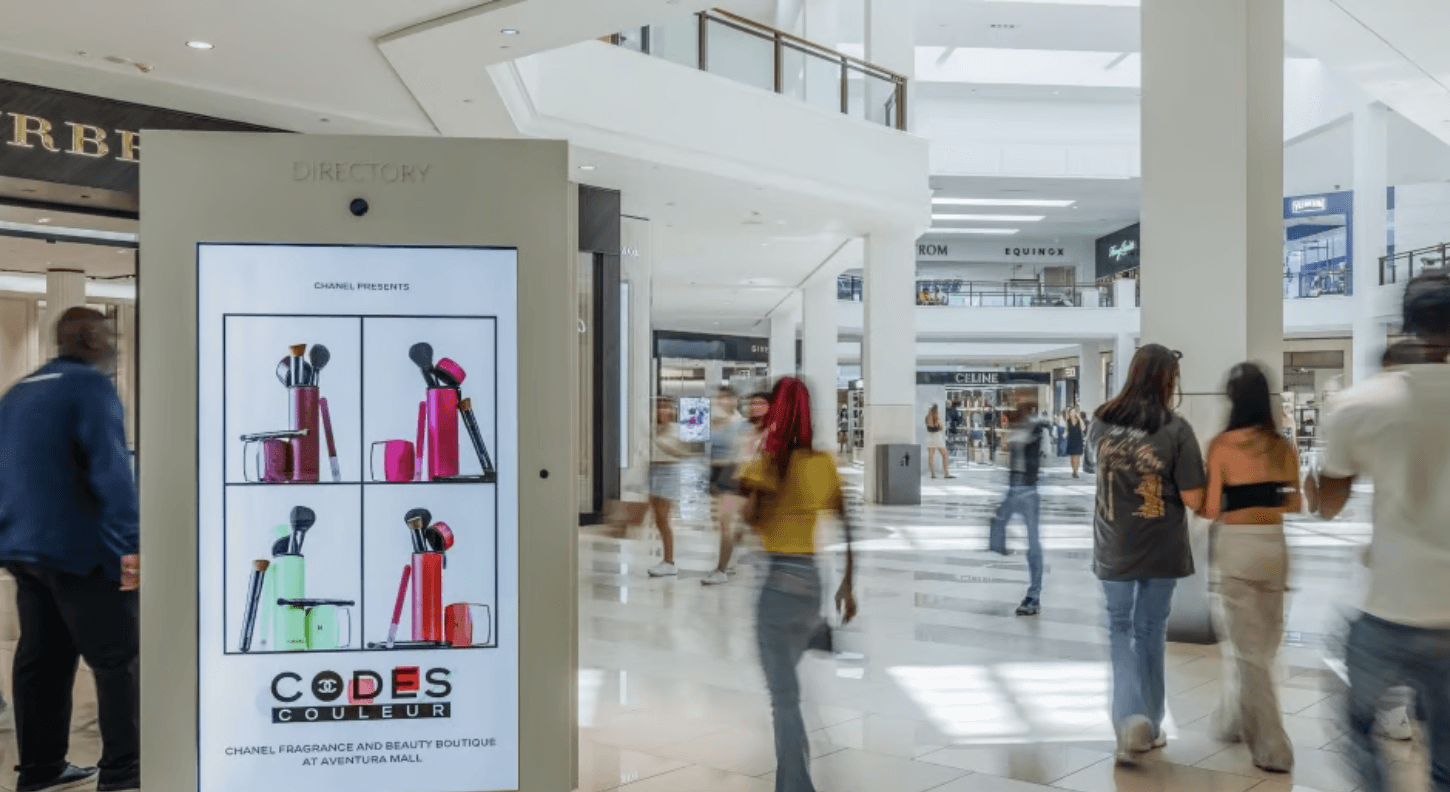
A mall digital kiosk is no longer just a map on a screen. It’s a multifunctional hub that connects shoppers, retailers, and developers in meaningful ways. In an ever-changing world, these kiosks bring convenience, personalization, and interactivity directly to the fingertips of visitors. 

Shopping centers that invest in digital kiosk technology aren’t just keeping up with the times. They’re creating an entirely new standard for user experience, property value, and consumer involvement.

Modern malls must compete with both online retail and other entertainment destinations. To remain relevant, they need smart tools that support both discovery and decision-making. Digital kiosks do just that. 

From wayfinding and store directories to promotional ads, booking services, and event details, they serve as information touchpoints that are fast, accurate, and visually engaging.

Consumers today want fast answers, personalized suggestions, and ease of access. By deploying a well-placed network of digital kiosks across a mall property, businesses meet these expectations. They also open up new opportunities for data collection, brand exposure, and revenue generation.

Reimagining the In-Mall Experience

A shopper walking into a mall doesn’t always know where they’re headed. Maybe they’re meeting a friend, browsing for gifts, or killing time before a movie. 

A digital kiosk for mall use helps guide these decisions with an experience that’s both helpful and immersive. It turns wandering into purposeful exploration.

These interactive displays are often placed at strategic points such as main entrances, elevator lobbies, food courts, and major anchor store intersections. The goal is to catch the shopper’s attention at natural pauses in their journey. 

At these points, the kiosk can offer directions, store hours, special events, and even movie listings… all with a few taps.

With features like pinch-to-zoom maps, multi-language options, and accessible interfaces, digital kiosks make malls easier to explore for every visitor. Families, tourists, elderly shoppers, and teens all benefit from simplified access to accurate information.

Making Wayfinding Intuitive and Interactive

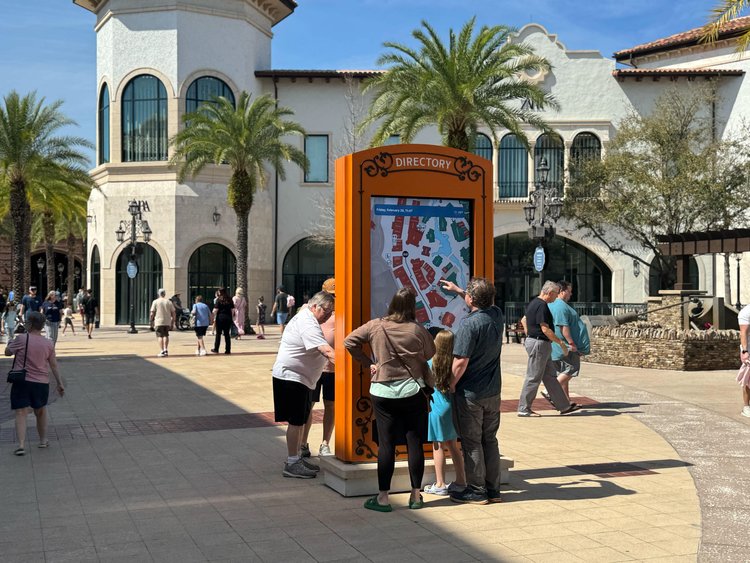
One of the most popular uses of an interactive digital kiosk in a mall setting is wayfinding. Shoppers often enter large retail spaces unsure of where a specific store or brand is located. 

Traditional paper maps or printed directories are easy to overlook or quickly outdated. A digital alternative is much more flexible and responsive.

Today’s kiosks can offer interactive maps that respond to user input. Visitors simply search for a store or product category, and the screen instantly shows them the location, recommended path, estimated walking time, and nearby amenities like restrooms, elevators, or exits. This minimizes frustration and saves time.

Advanced wayfinding options can even sync with a visitor’s mobile phone using QR codes, letting them take directions with them on the go. This feature is especially useful in sprawling shopping centers and mixed-use kiosks that span multiple buildings or levels.

Supporting Retailers Through Digital Promotion

A mall digital kiosk does more than guide. It also promotes. These units act as digital billboards that can cycle through ads, video promotions, and special offers. 

For retailers, this is a valuable advertising channel located exactly where their target audience is: in the mall, ready to shop.

Instead of relying solely on in-store signage or social media ads, brands can appear on screens throughout the mall at peak times of day. 

A clothing store might showcase a flash sale. A restaurant may promote its happy hour menu. Even pop-up events or seasonal installations can benefit from the visibility a kiosk provides.

Since the content on these kiosks can be updated quickly, brands can customize messaging to holidays, trends, or in-the-moment marketing pushes. It’s agile and impactful in a way static posters can’t replicate.

Encouraging User Engagement and Data Collection

Every interaction with a kiosk is an opportunity to learn something about user preferences. For example, a shopper searching for women’s shoes or electronics is signaling interest in a specific category. 

That data (collected anonymously) can be used by mall management or tenants to optimize layouts, adjust promotions, or improve store positioning.

Interactive features like surveys, polls, and feedback tools make it easy to gather visitor opinions while they're still fresh. Instead of guessing what people want, businesses get real-time insight directly from the source.

Some malls also use kiosks to build customer loyalty programs or capture email sign-ups through limited time offers or QR codes. These efforts create a digital bridge between the physical and online aspects of a brand, helping retailers grow their contact lists and offer personalized discounts.

Transforming the Mall into an Experience

Modern shoppers aren’t just looking for things to buy. They’re looking for experiences. A digital kiosk for mall usage can play a big part in shaping how that experience unfolds. 

By connecting people to activities, events, promotions, and services, kiosks create a sense of discovery and interaction that keeps visitors interested longer.

Imagine walking into a mall and seeing an interactive screen featuring live event listings, new product launches, or even an augmented reality experience. Some digital kiosks go as far as offering selfie stations or digital games tied to a mall’s seasonal theme. 

These creative applications generate buzz and social sharing, two things that drive return visits.

Even services like restaurant booking, parking reminders, and mobile device charging can be handled through interactive displays. It’s not just about information. It’s about creating moments that feel memorable and useful.

Outdoor Digital Kiosks Expand the Possibilities

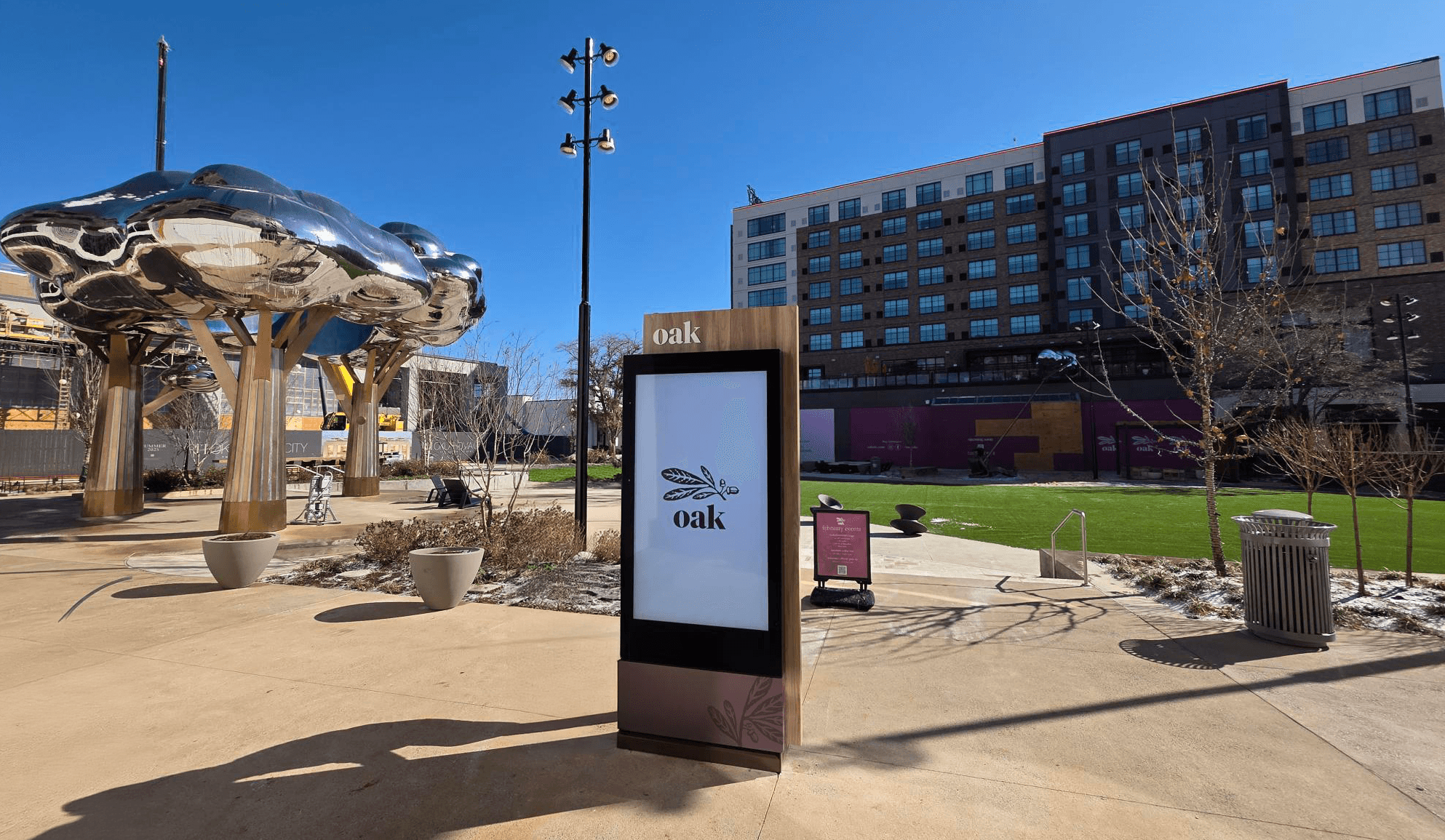
The mall experience doesn’t begin at the door. It starts in the parking lot, at the transit stop, or even outside the mall’s perimeter. An outdoor digital kiosk introduces visitors to services before they even walk in.

These weather-tough units sit at entrances, near parking decks, and at key intersections outside the building. They guide foot traffic, offer event information, or help guests find the quickest route to a specific store. Since they’re accessible around the clock, they serve passersby and early arrivals just as effectively.

In urban settings, outdoor kiosks also cater to tourists and commuters looking for food, entertainment, or last-minute shopping. They’re ideal for large-scale shopping centers and mixed-use kiosks where the setting blends retail, office space, dining, and residential living.

The outdoor placement of these units turns untapped exterior real estate into active engagement zones, improving visibility and reducing friction from the very first step.

Supporting Safety and Contactless Interactions

In recent years, many malls have looked for ways to reduce direct contact between visitors and staff. Kiosks fill this need by providing self-service experiences that feel clean, fast, and respectful of personal space.

A shopper can search for a store, pull up dining options, or check event listings without needing to approach a help desk or flip through physical brochures. In some cases, kiosks even allow customers to place orders at food courts or check into appointments with retailers.

These low-contact solutions are in keeping with modern public expectations and help property managers keep operations running smoothly during both normal and peak crowd conditions.

Increasing Dwell Time and Driving Sales

There’s a direct relationship between visitor convenience and shopping behavior. The easier it is for people to find what they need, the more likely they are to stay longer and spend more.

A well-designed interactive digital kiosk acts like a personal guide that makes every visit smoother. It reduces uncertainty, builds confidence, and introduces people to shops or services they may not have known about. That’s good for both shoppers and tenants.

In retail strategy, dwell time is a key metric. A 10-minute increase in stay often translates to higher spending, more browsing, and better word-of-mouth. By using kiosks to improve access and interaction, malls effectively increase both engagement and revenue.

The RoveIQ Difference in Mall Digital Kiosk Solutions

At RoveIQ, we design mall digital kiosk systems that elevate every touchpoint. From beautifully branded displays to intuitive software that adapts to changing needs, our goal is to create digital kiosks that don’t just sit in a space, but actively shape it.

Our kiosks are designed for both interior and outdoor digital kiosk applications, with configurations tailored to high-traffic retail environments, urban developments, shopping centers, and mixed-use kiosks. 

Every screen is engineered to be inviting, functional, and accessible. All is backed by software that’s flexible and easy to manage.

Whether you want to offer real-time wayfinding, support local advertising, or launch an interactive experience campaign, our kiosks are built to support that vision. 

We help property managers and retail developers use every square foot to its full potential, connecting people to places, brands, and moments that matter.

Let’s explore how a digital solution can modernize your space. Contact us, schedule a consultation, or request a demo today. At RoveIQ, we build technology that moves people physically and emotionally.

A mall digital kiosk is no longer just a map on a screen. It’s a multifunctional hub that connects shoppers, retailers, and developers in meaningful ways. In an ever-changing world, these kiosks bring convenience, personalization, and interactivity directly to the fingertips of visitors. 

Shopping centers that invest in digital kiosk technology aren’t just keeping up with the times. They’re creating an entirely new standard for user experience, property value, and consumer involvement.

Modern malls must compete with both online retail and other entertainment destinations. To remain relevant, they need smart tools that support both discovery and decision-making. Digital kiosks do just that. 

From wayfinding and store directories to promotional ads, booking services, and event details, they serve as information touchpoints that are fast, accurate, and visually engaging.

Consumers today want fast answers, personalized suggestions, and ease of access. By deploying a well-placed network of digital kiosks across a mall property, businesses meet these expectations. They also open up new opportunities for data collection, brand exposure, and revenue generation.

Reimagining the In-Mall Experience

A shopper walking into a mall doesn’t always know where they’re headed. Maybe they’re meeting a friend, browsing for gifts, or killing time before a movie. 

A digital kiosk for mall use helps guide these decisions with an experience that’s both helpful and immersive. It turns wandering into purposeful exploration.

These interactive displays are often placed at strategic points such as main entrances, elevator lobbies, food courts, and major anchor store intersections. The goal is to catch the shopper’s attention at natural pauses in their journey. 

At these points, the kiosk can offer directions, store hours, special events, and even movie listings… all with a few taps.

With features like pinch-to-zoom maps, multi-language options, and accessible interfaces, digital kiosks make malls easier to explore for every visitor. Families, tourists, elderly shoppers, and teens all benefit from simplified access to accurate information.

Making Wayfinding Intuitive and Interactive

One of the most popular uses of an interactive digital kiosk in a mall setting is wayfinding. Shoppers often enter large retail spaces unsure of where a specific store or brand is located. 

Traditional paper maps or printed directories are easy to overlook or quickly outdated. A digital alternative is much more flexible and responsive.

Today’s kiosks can offer interactive maps that respond to user input. Visitors simply search for a store or product category, and the screen instantly shows them the location, recommended path, estimated walking time, and nearby amenities like restrooms, elevators, or exits. This minimizes frustration and saves time.

Advanced wayfinding options can even sync with a visitor’s mobile phone using QR codes, letting them take directions with them on the go. This feature is especially useful in sprawling shopping centers and mixed-use kiosks that span multiple buildings or levels.

Supporting Retailers Through Digital Promotion

A mall digital kiosk does more than guide. It also promotes. These units act as digital billboards that can cycle through ads, video promotions, and special offers. 

For retailers, this is a valuable advertising channel located exactly where their target audience is: in the mall, ready to shop.

Instead of relying solely on in-store signage or social media ads, brands can appear on screens throughout the mall at peak times of day. 

A clothing store might showcase a flash sale. A restaurant may promote its happy hour menu. Even pop-up events or seasonal installations can benefit from the visibility a kiosk provides.

Since the content on these kiosks can be updated quickly, brands can customize messaging to holidays, trends, or in-the-moment marketing pushes. It’s agile and impactful in a way static posters can’t replicate.

Encouraging User Engagement and Data Collection

Every interaction with a kiosk is an opportunity to learn something about user preferences. For example, a shopper searching for women’s shoes or electronics is signaling interest in a specific category. 

That data (collected anonymously) can be used by mall management or tenants to optimize layouts, adjust promotions, or improve store positioning.

Interactive features like surveys, polls, and feedback tools make it easy to gather visitor opinions while they're still fresh. Instead of guessing what people want, businesses get real-time insight directly from the source.

Some malls also use kiosks to build customer loyalty programs or capture email sign-ups through limited time offers or QR codes. These efforts create a digital bridge between the physical and online aspects of a brand, helping retailers grow their contact lists and offer personalized discounts.

Transforming the Mall into an Experience

Modern shoppers aren’t just looking for things to buy. They’re looking for experiences. A digital kiosk for mall usage can play a big part in shaping how that experience unfolds. 

By connecting people to activities, events, promotions, and services, kiosks create a sense of discovery and interaction that keeps visitors interested longer.

Imagine walking into a mall and seeing an interactive screen featuring live event listings, new product launches, or even an augmented reality experience. Some digital kiosks go as far as offering selfie stations or digital games tied to a mall’s seasonal theme. 

These creative applications generate buzz and social sharing, two things that drive return visits.

Even services like restaurant booking, parking reminders, and mobile device charging can be handled through interactive displays. It’s not just about information. It’s about creating moments that feel memorable and useful.

Outdoor Digital Kiosks Expand the Possibilities

The mall experience doesn’t begin at the door. It starts in the parking lot, at the transit stop, or even outside the mall’s perimeter. An outdoor digital kiosk introduces visitors to services before they even walk in.

These weather-tough units sit at entrances, near parking decks, and at key intersections outside the building. They guide foot traffic, offer event information, or help guests find the quickest route to a specific store. Since they’re accessible around the clock, they serve passersby and early arrivals just as effectively.

In urban settings, outdoor kiosks also cater to tourists and commuters looking for food, entertainment, or last-minute shopping. They’re ideal for large-scale shopping centers and mixed-use kiosks where the setting blends retail, office space, dining, and residential living.

The outdoor placement of these units turns untapped exterior real estate into active engagement zones, improving visibility and reducing friction from the very first step.

Supporting Safety and Contactless Interactions

In recent years, many malls have looked for ways to reduce direct contact between visitors and staff. Kiosks fill this need by providing self-service experiences that feel clean, fast, and respectful of personal space.

A shopper can search for a store, pull up dining options, or check event listings without needing to approach a help desk or flip through physical brochures. In some cases, kiosks even allow customers to place orders at food courts or check into appointments with retailers.

These low-contact solutions are in keeping with modern public expectations and help property managers keep operations running smoothly during both normal and peak crowd conditions.

Increasing Dwell Time and Driving Sales

There’s a direct relationship between visitor convenience and shopping behavior. The easier it is for people to find what they need, the more likely they are to stay longer and spend more.

A well-designed interactive digital kiosk acts like a personal guide that makes every visit smoother. It reduces uncertainty, builds confidence, and introduces people to shops or services they may not have known about. That’s good for both shoppers and tenants.

In retail strategy, dwell time is a key metric. A 10-minute increase in stay often translates to higher spending, more browsing, and better word-of-mouth. By using kiosks to improve access and interaction, malls effectively increase both engagement and revenue.

The RoveIQ Difference in Mall Digital Kiosk Solutions

At RoveIQ, we design mall digital kiosk systems that elevate every touchpoint. From beautifully branded displays to intuitive software that adapts to changing needs, our goal is to create digital kiosks that don’t just sit in a space, but actively shape it.

Our kiosks are designed for both interior and outdoor digital kiosk applications, with configurations tailored to high-traffic retail environments, urban developments, shopping centers, and mixed-use kiosks. 

Every screen is engineered to be inviting, functional, and accessible. All is backed by software that’s flexible and easy to manage.

Whether you want to offer real-time wayfinding, support local advertising, or launch an interactive experience campaign, our kiosks are built to support that vision. 

We help property managers and retail developers use every square foot to its full potential, connecting people to places, brands, and moments that matter.

Let’s explore how a digital solution can modernize your space. Contact us, schedule a consultation, or request a demo today. At RoveIQ, we build technology that moves people physically and emotionally.
A mall digital kiosk is no longer just a map on a screen. It’s a multifunctional hub that connects shoppers, retailers, and developers in meaningful ways. In an ever-changing world, these kiosks bring convenience, personalization, and interactivity directly to the fingertips of visitors. 

Shopping centers that invest in digital kiosk technology aren’t just keeping up with the times. They’re creating an entirely new standard for user experience, property value, and consumer involvement.

Modern malls must compete with both online retail and other entertainment destinations. To remain relevant, they need smart tools that support both discovery and decision-making. Digital kiosks do just that. 

From wayfinding and store directories to promotional ads, booking services, and event details, they serve as information touchpoints that are fast, accurate, and visually engaging.

Consumers today want fast answers, personalized suggestions, and ease of access. By deploying a well-placed network of digital kiosks across a mall property, businesses meet these expectations. They also open up new opportunities for data collection, brand exposure, and revenue generation.

Reimagining the In-Mall Experience

A shopper walking into a mall doesn’t always know where they’re headed. Maybe they’re meeting a friend, browsing for gifts, or killing time before a movie. 

A digital kiosk for mall use helps guide these decisions with an experience that’s both helpful and immersive. It turns wandering into purposeful exploration.

These interactive displays are often placed at strategic points such as main entrances, elevator lobbies, food courts, and major anchor store intersections. The goal is to catch the shopper’s attention at natural pauses in their journey. 

At these points, the kiosk can offer directions, store hours, special events, and even movie listings… all with a few taps.

With features like pinch-to-zoom maps, multi-language options, and accessible interfaces, digital kiosks make malls easier to explore for every visitor. Families, tourists, elderly shoppers, and teens all benefit from simplified access to accurate information.

Making Wayfinding Intuitive and Interactive

One of the most popular uses of an interactive digital kiosk in a mall setting is wayfinding. Shoppers often enter large retail spaces unsure of where a specific store or brand is located. 

Traditional paper maps or printed directories are easy to overlook or quickly outdated. A digital alternative is much more flexible and responsive.

Today’s kiosks can offer interactive maps that respond to user input. Visitors simply search for a store or product category, and the screen instantly shows them the location, recommended path, estimated walking time, and nearby amenities like restrooms, elevators, or exits. This minimizes frustration and saves time.

Advanced wayfinding options can even sync with a visitor’s mobile phone using QR codes, letting them take directions with them on the go. This feature is especially useful in sprawling shopping centers and mixed-use kiosks that span multiple buildings or levels.

Supporting Retailers Through Digital Promotion

A mall digital kiosk does more than guide. It also promotes. These units act as digital billboards that can cycle through ads, video promotions, and special offers. 

For retailers, this is a valuable advertising channel located exactly where their target audience is: in the mall, ready to shop.

Instead of relying solely on in-store signage or social media ads, brands can appear on screens throughout the mall at peak times of day. 

A clothing store might showcase a flash sale. A restaurant may promote its happy hour menu. Even pop-up events or seasonal installations can benefit from the visibility a kiosk provides.

Since the content on these kiosks can be updated quickly, brands can customize messaging to holidays, trends, or in-the-moment marketing pushes. It’s agile and impactful in a way static posters can’t replicate.

Encouraging User Engagement and Data Collection

Every interaction with a kiosk is an opportunity to learn something about user preferences. For example, a shopper searching for women’s shoes or electronics is signaling interest in a specific category. 

That data (collected anonymously) can be used by mall management or tenants to optimize layouts, adjust promotions, or improve store positioning.

Interactive features like surveys, polls, and feedback tools make it easy to gather visitor opinions while they're still fresh. Instead of guessing what people want, businesses get real-time insight directly from the source.

Some malls also use kiosks to build customer loyalty programs or capture email sign-ups through limited time offers or QR codes. These efforts create a digital bridge between the physical and online aspects of a brand, helping retailers grow their contact lists and offer personalized discounts.

Transforming the Mall into an Experience

Modern shoppers aren’t just looking for things to buy. They’re looking for experiences. A digital kiosk for mall usage can play a big part in shaping how that experience unfolds. 

By connecting people to activities, events, promotions, and services, kiosks create a sense of discovery and interaction that keeps visitors interested longer.

Imagine walking into a mall and seeing an interactive screen featuring live event listings, new product launches, or even an augmented reality experience. Some digital kiosks go as far as offering selfie stations or digital games tied to a mall’s seasonal theme. 

These creative applications generate buzz and social sharing, two things that drive return visits.

Even services like restaurant booking, parking reminders, and mobile device charging can be handled through interactive displays. It’s not just about information. It’s about creating moments that feel memorable and useful.

Outdoor Digital Kiosks Expand the Possibilities

The mall experience doesn’t begin at the door. It starts in the parking lot, at the transit stop, or even outside the mall’s perimeter. An outdoor digital kiosk introduces visitors to services before they even walk in.

These weather-tough units sit at entrances, near parking decks, and at key intersections outside the building. They guide foot traffic, offer event information, or help guests find the quickest route to a specific store. Since they’re accessible around the clock, they serve passersby and early arrivals just as effectively.

In urban settings, outdoor kiosks also cater to tourists and commuters looking for food, entertainment, or last-minute shopping. They’re ideal for large-scale shopping centers and mixed-use kiosks where the setting blends retail, office space, dining, and residential living.

The outdoor placement of these units turns untapped exterior real estate into active engagement zones, improving visibility and reducing friction from the very first step.

Supporting Safety and Contactless Interactions

In recent years, many malls have looked for ways to reduce direct contact between visitors and staff. Kiosks fill this need by providing self-service experiences that feel clean, fast, and respectful of personal space.

A shopper can search for a store, pull up dining options, or check event listings without needing to approach a help desk or flip through physical brochures. In some cases, kiosks even allow customers to place orders at food courts or check into appointments with retailers.

These low-contact solutions are in keeping with modern public expectations and help property managers keep operations running smoothly during both normal and peak crowd conditions.

Increasing Dwell Time and Driving Sales

There’s a direct relationship between visitor convenience and shopping behavior. The easier it is for people to find what they need, the more likely they are to stay longer and spend more.

A well-designed interactive digital kiosk acts like a personal guide that makes every visit smoother. It reduces uncertainty, builds confidence, and introduces people to shops or services they may not have known about. That’s good for both shoppers and tenants.

In retail strategy, dwell time is a key metric. A 10-minute increase in stay often translates to higher spending, more browsing, and better word-of-mouth. By using kiosks to improve access and interaction, malls effectively increase both engagement and revenue.

The RoveIQ Difference in Mall Digital Kiosk Solutions

At RoveIQ, we design mall digital kiosk systems that elevate every touchpoint. From beautifully branded displays to intuitive software that adapts to changing needs, our goal is to create digital kiosks that don’t just sit in a space, but actively shape it.

Our kiosks are designed for both interior and outdoor digital kiosk applications, with configurations tailored to high-traffic retail environments, urban developments, shopping centers, and mixed-use kiosks. 

Every screen is engineered to be inviting, functional, and accessible. All is backed by software that’s flexible and easy to manage.

Whether you want to offer real-time wayfinding, support local advertising, or launch an interactive experience campaign, our kiosks are built to support that vision. 

We help property managers and retail developers use every square foot to its full potential, connecting people to places, brands, and moments that matter.

Let’s explore how a digital solution can modernize your space. Contact us, schedule a consultation, or request a demo today. At RoveIQ, we build technology that moves people physically and emotionally.

© 2025 RoveIQ. All rights reserved.

© 2025 RoveIQ. All rights reserved.

© 2025 RoveIQ. All rights reserved.