Hotel Wayfinding Implementation: Key Considerations and Best Practices
Hotel Wayfinding Implementation: Key Considerations and Best Practices
Hotel Wayfinding Implementation: Key Considerations and Best Practices
Things To Consider When Implementing Hotel Wayfinding
When you arrive at a hotel for the first time, you’re likely excited about your stay. But this excitement can quickly wane when you face the daunting task of finding your way. Without clear directions, what should be an exciting experience can quickly become frustrating.
Hotel wayfinding aims to turn this situation around and make every visit a seamless journey. Whether it’s a luxury resort or a business hotel, having a robust system in place can drastically improve the guest experience.
Today’s wayfinding systems are digital, interactive, and personalized, assisting guests in getting to where they need to go with minimal effort. This comprehensive guide will walk you through the key factors to consider when implementing a hotel wayfinding solution, helping you choose the right systems and strategies that fit your hotel's needs and enhance your guests’ stay.
What Are Hotel Wayfinding Solutions?
Hotel wayfinding solutions refer to systems designed to help guests navigate a hotel or resort, ensuring they can easily find their rooms, amenities, and any other locations within the property. These solutions can include traditional hotel wayfinding signage, such as printed maps and floor signs.
However, modern solutions go beyond that, incorporating digital technology like interactive kiosks, apps, and digital signage systems. The ultimate goal is to provide guests with clear, easy-to-follow directions that help them navigate unfamiliar spaces efficiently and with minimal frustration.
Modern systems can range from digital wayfinding software that integrates with mobile apps to large-scale installations like touchscreen kiosks and digital directories. These solutions direct guests and enhance their experience by offering personalized services, real-time updates, and interactive features like interactive maps and event schedules. The right system can keep your guests comfortable, informed, and confident during their stay.
Factors to Consider When Implementing Hotel Wayfinding Solutions
The success of your hotel’s wayfinding system hinges on several factors.
Understanding the Layout and Guest Flow
Before implementing the system, thoroughly understand the layout of and how guests typically flow through the space. Is it a sprawling resort or a more compact city hotel? The layout or design will influence the type of wayfinding system that’s most effective.
A large property with multiple buildings and amenities will require a more robust resort wayfinding software solution. On the other hand, a smaller hotel may function well with clear signage and simple maps.
Understand guest behavior and typical traffic patterns. Are guests mostly heading to conference rooms, the spa, or a specific dining area? Identify key areas within your hotel and the most common routes guests take to pinpoint where to place signage or interactive kiosks.
Hotel lobbies, hallways, elevators, and entrances should all be highlighted in your wayfinding solution for a smooth experience. Mapping out these areas will allow you to strategically position wayfinding signage and interactive kiosks, so that guests find their way effortlessly.
Digital Vs. Traditional Hotel Wayfinding Signage
The ongoing debate between traditional and digital hotel wayfinding solutions is something every hotelier must consider when upgrading or implementing a system.
Traditional signage, such as printed signs, maps, and arrows, has been the standard for decades and still works effectively in many smaller or more traditional hotels. These systems are cost-effective and relatively easy to implement, though they lack the flexibility and interactivity that digital solutions can provide.
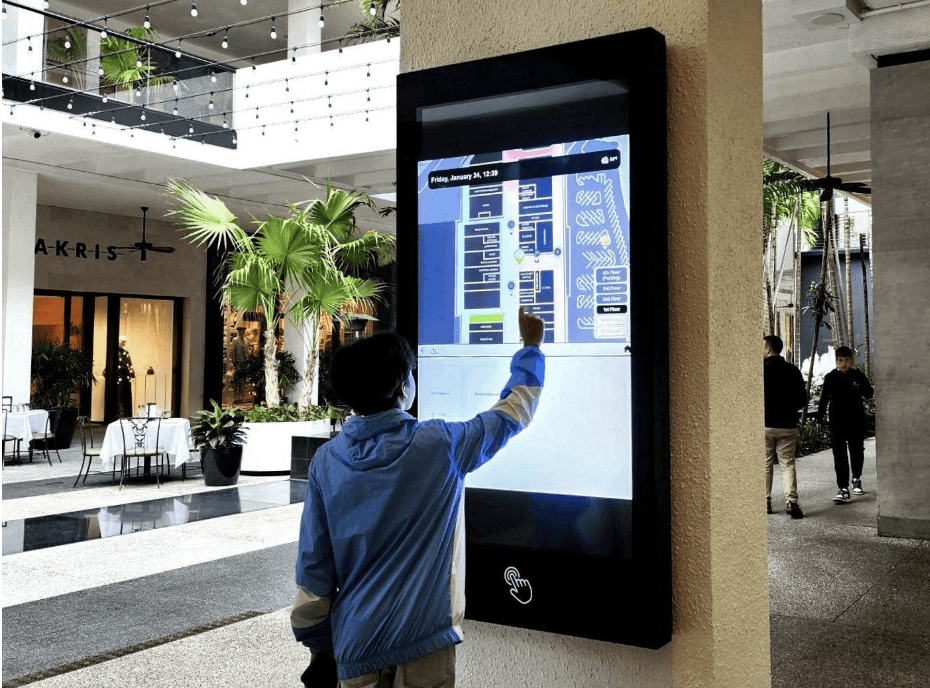
Digital wayfinding signage, on the other hand, offers a range of advanced features. Interactive digital kiosks, touch screens, and even smartphone apps can guide guests through the property with dynamic maps, real-time updates, and even personalized recommendations based on the guest's needs.
Digital systems can also be updated easily, something that static signs can’t do. In a hotel where layouts may change over time or where temporary events are common, digital solutions allow for immediate adjustments to wayfinding.
At RoveIQ, we specialize in providing digital wayfinding software that integrates seamlessly with hotel operations. Our solutions allow hoteliers to offer real-time information about events, room locations, and even promotions, making the guest experience interactive and personalized.
Accessibility Considerations for All Guests
When implementing any type of hotel wayfinding, consider accessibility for all guests, including those with disabilities. Accessible design is a legal requirement as well as a key factor in improving the overall guest experience. The wayfinding system should account for guests with visual, auditory, or mobility challenges, ensuring that everyone can navigate the property easily and independently.
This means incorporating Braille signage, audio guides, high-contrast visuals, and ADA-compliant paths. It’s also important to make sure that any digital kiosks or interactive displays are designed with accessibility features in mind.
This might include voice control, adjustable screen brightness, and touch-screen interfaces that are easy to use for people with limited dexterity.
Taking these considerations into account supports compliance with regulations and demonstrates a commitment to inclusivity. A hotel that’s easy for all guests to navigate is likely to create a more positive, memorable experience for everyone.
User-Friendly Interface and Intuitive Design
Simplicity and clarity should be at the heart of any solution. The design must prioritize usability, and guests should never have to struggle to understand where they need to go. An effective wayfinding system relies on a straightforward design, with clear signs, easy-to-read fonts, and intuitive user interfaces.
For digital systems, the interface should be simple and user-friendly, with large icons, clear directions, and minimal steps to find the desired destination. Interactive kiosks and mobile apps should feature a logical flow, guiding users through the system with ease.
If a guest needs to interact with a touchscreen or app, the process should feel intuitive, with no learning curve. Additionally, avoid overloading guests with too much information at once. Clear, concise instructions are important for a positive experience.
Incorporating consistent branding elements and using hotel colors, fonts, and logos in the signage and digital systems can also help guests feel more connected to the property while navigating.
Integrating Hotel Wayfinding with Other Hotel Systems
A successful hotel wayfinding system should not operate in isolation. It should integrate seamlessly with other hotel systems such as room booking platforms, guest service systems, and digital check-in processes.
For example, a guest who checks in through a mobile app could have their personal itinerary synced with the hotel’s wayfinding system, guiding them to their room or to events scheduled during their stay. This integration streamlines the guest experience and improves efficiency and communication between departments.
Solutions that integrate with hotel management systems can provide valuable insights into guest behavior, such as frequent routes, areas of interest, and dwell times in certain locations. This information can be used to enhance the guest experience further by offering tailored promotions or improving the layout of the property based on popular traffic patterns.
Ongoing Maintenance and Updates
Once your system is in place, it’s essential to keep it up-to-date. Whether it’s a change in hotel layout, a new service offering, or a seasonal event, your wayfinding system should reflect these updates promptly. With the right digital solutions, real-time updates can be made remotely.
Regular maintenance checks are necessary for digital signage and interactive kiosks, which may experience technical issues or wear and tear over time. To avoid guest frustration, monitor these systems for any technical difficulties and resolve them as soon as possible.
Creating a Seamless Navigation Experience
Implementing an effective hotel wayfinding system can improve guest satisfaction, reduce confusion, and enhance overall efficiency. By considering the above factors, hoteliers can make sure that the system they use meets the needs of all guests and helps them navigate the property with ease.
At RoveIQ, we understand the importance of seamless navigation in hospitality. Our digital wayfinding software provides customizable solutions that can be tailored to your hotel’s unique needs, giving your guests the best experience possible.
If you would like to upgrade your hotel’s wayfinding system, request a quote and experience firsthand the transformative impact of our innovative software.
Things To Consider When Implementing Hotel Wayfinding
When you arrive at a hotel for the first time, you’re likely excited about your stay. But this excitement can quickly wane when you face the daunting task of finding your way. Without clear directions, what should be an exciting experience can quickly become frustrating.
Hotel wayfinding aims to turn this situation around and make every visit a seamless journey. Whether it’s a luxury resort or a business hotel, having a robust system in place can drastically improve the guest experience.
Today’s wayfinding systems are digital, interactive, and personalized, assisting guests in getting to where they need to go with minimal effort. This comprehensive guide will walk you through the key factors to consider when implementing a hotel wayfinding solution, helping you choose the right systems and strategies that fit your hotel's needs and enhance your guests’ stay.
What Are Hotel Wayfinding Solutions?
Hotel wayfinding solutions refer to systems designed to help guests navigate a hotel or resort, ensuring they can easily find their rooms, amenities, and any other locations within the property. These solutions can include traditional hotel wayfinding signage, such as printed maps and floor signs.
However, modern solutions go beyond that, incorporating digital technology like interactive kiosks, apps, and digital signage systems. The ultimate goal is to provide guests with clear, easy-to-follow directions that help them navigate unfamiliar spaces efficiently and with minimal frustration.
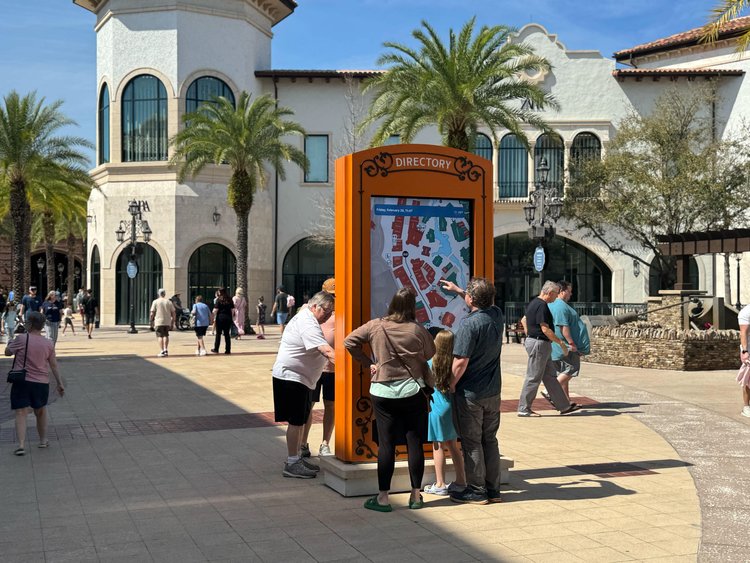
Modern systems can range from digital wayfinding software that integrates with mobile apps to large-scale installations like touchscreen kiosks and digital directories. These solutions direct guests and enhance their experience by offering personalized services, real-time updates, and interactive features like interactive maps and event schedules. The right system can keep your guests comfortable, informed, and confident during their stay.
Factors to Consider When Implementing Hotel Wayfinding Solutions
The success of your hotel’s wayfinding system hinges on several factors.
Understanding the Layout and Guest Flow
Before implementing the system, thoroughly understand the layout of and how guests typically flow through the space. Is it a sprawling resort or a more compact city hotel? The layout or design will influence the type of wayfinding system that’s most effective.
A large property with multiple buildings and amenities will require a more robust resort wayfinding software solution. On the other hand, a smaller hotel may function well with clear signage and simple maps.
Understand guest behavior and typical traffic patterns. Are guests mostly heading to conference rooms, the spa, or a specific dining area? Identify key areas within your hotel and the most common routes guests take to pinpoint where to place signage or interactive kiosks.
Hotel lobbies, hallways, elevators, and entrances should all be highlighted in your wayfinding solution for a smooth experience. Mapping out these areas will allow you to strategically position wayfinding signage and interactive kiosks, so that guests find their way effortlessly.
Digital Vs. Traditional Hotel Wayfinding Signage
The ongoing debate between traditional and digital hotel wayfinding solutions is something every hotelier must consider when upgrading or implementing a system.
Traditional signage, such as printed signs, maps, and arrows, has been the standard for decades and still works effectively in many smaller or more traditional hotels. These systems are cost-effective and relatively easy to implement, though they lack the flexibility and interactivity that digital solutions can provide.
Digital wayfinding signage, on the other hand, offers a range of advanced features. Interactive digital kiosks, touch screens, and even smartphone apps can guide guests through the property with dynamic maps, real-time updates, and even personalized recommendations based on the guest's needs.
Digital systems can also be updated easily, something that static signs can’t do. In a hotel where layouts may change over time or where temporary events are common, digital solutions allow for immediate adjustments to wayfinding.
At RoveIQ, we specialize in providing digital wayfinding software that integrates seamlessly with hotel operations. Our solutions allow hoteliers to offer real-time information about events, room locations, and even promotions, making the guest experience interactive and personalized.
Accessibility Considerations for All Guests
When implementing any type of hotel wayfinding, consider accessibility for all guests, including those with disabilities. Accessible design is a legal requirement as well as a key factor in improving the overall guest experience. The wayfinding system should account for guests with visual, auditory, or mobility challenges, ensuring that everyone can navigate the property easily and independently.
This means incorporating Braille signage, audio guides, high-contrast visuals, and ADA-compliant paths. It’s also important to make sure that any digital kiosks or interactive displays are designed with accessibility features in mind.
This might include voice control, adjustable screen brightness, and touch-screen interfaces that are easy to use for people with limited dexterity.
Taking these considerations into account supports compliance with regulations and demonstrates a commitment to inclusivity. A hotel that’s easy for all guests to navigate is likely to create a more positive, memorable experience for everyone.
User-Friendly Interface and Intuitive Design
Simplicity and clarity should be at the heart of any solution. The design must prioritize usability, and guests should never have to struggle to understand where they need to go. An effective wayfinding system relies on a straightforward design, with clear signs, easy-to-read fonts, and intuitive user interfaces.
For digital systems, the interface should be simple and user-friendly, with large icons, clear directions, and minimal steps to find the desired destination. Interactive kiosks and mobile apps should feature a logical flow, guiding users through the system with ease.
If a guest needs to interact with a touchscreen or app, the process should feel intuitive, with no learning curve. Additionally, avoid overloading guests with too much information at once. Clear, concise instructions are important for a positive experience.
Incorporating consistent branding elements and using hotel colors, fonts, and logos in the signage and digital systems can also help guests feel more connected to the property while navigating.
Integrating Hotel Wayfinding with Other Hotel Systems
A successful hotel wayfinding system should not operate in isolation. It should integrate seamlessly with other hotel systems such as room booking platforms, guest service systems, and digital check-in processes.
For example, a guest who checks in through a mobile app could have their personal itinerary synced with the hotel’s wayfinding system, guiding them to their room or to events scheduled during their stay. This integration streamlines the guest experience and improves efficiency and communication between departments.
Solutions that integrate with hotel management systems can provide valuable insights into guest behavior, such as frequent routes, areas of interest, and dwell times in certain locations. This information can be used to enhance the guest experience further by offering tailored promotions or improving the layout of the property based on popular traffic patterns.
Ongoing Maintenance and Updates
Once your system is in place, it’s essential to keep it up-to-date. Whether it’s a change in hotel layout, a new service offering, or a seasonal event, your wayfinding system should reflect these updates promptly. With the right digital solutions, real-time updates can be made remotely.
Regular maintenance checks are necessary for digital signage and interactive kiosks, which may experience technical issues or wear and tear over time. To avoid guest frustration, monitor these systems for any technical difficulties and resolve them as soon as possible.
Creating a Seamless Navigation Experience
Implementing an effective hotel wayfinding system can improve guest satisfaction, reduce confusion, and enhance overall efficiency. By considering the above factors, hoteliers can make sure that the system they use meets the needs of all guests and helps them navigate the property with ease.
At RoveIQ, we understand the importance of seamless navigation in hospitality. Our digital wayfinding software provides customizable solutions that can be tailored to your hotel’s unique needs, giving your guests the best experience possible.
If you would like to upgrade your hotel’s wayfinding system, request a quote and experience firsthand the transformative impact of our innovative software.