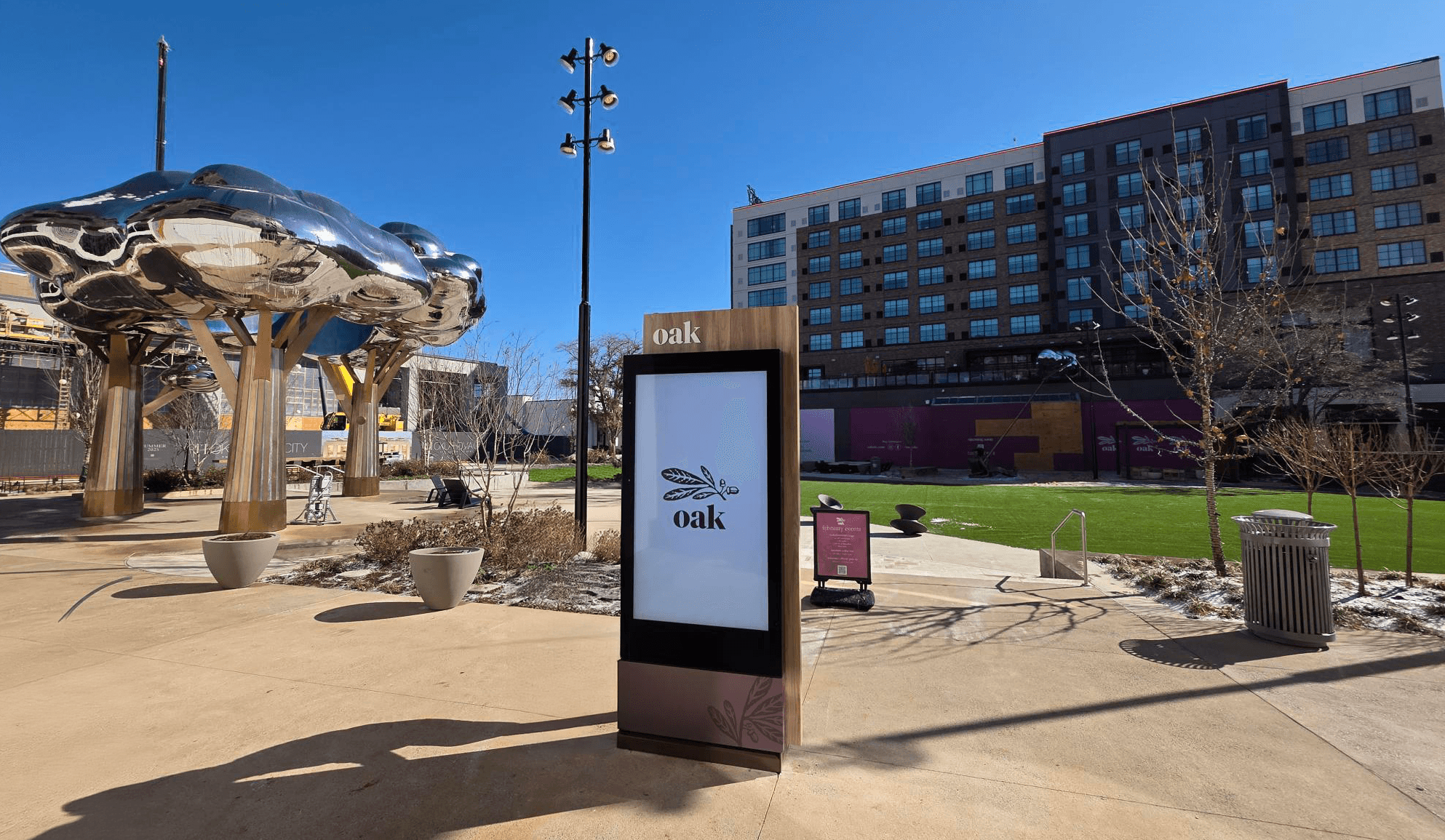
Navigating large or unfamiliar spaces can be overwhelming without clear guidance. From retail centers to airports, visitors often rely on signs to find their way. Static signs, while useful, lack flexibility when layouts change or updates are needed. This is where digital directional signage creates a powerful impact. By combining engaging visuals with real-time adaptability, it transforms navigation into a smoother, more intuitive experience for everyone.
Digital wayfinding goes beyond arrows and maps. It encompasses tools like digital directory signage and the versatile digital directory board, both of which help organize information and guide people where they need to go. These solutions are being embraced across industries because they save time, reduce confusion, and elevate the overall customer journey.
In this article, we’ll explore real-world use cases that highlight the value of digital directional signage in practice.
Retail Mixed Use and Shopping Malls
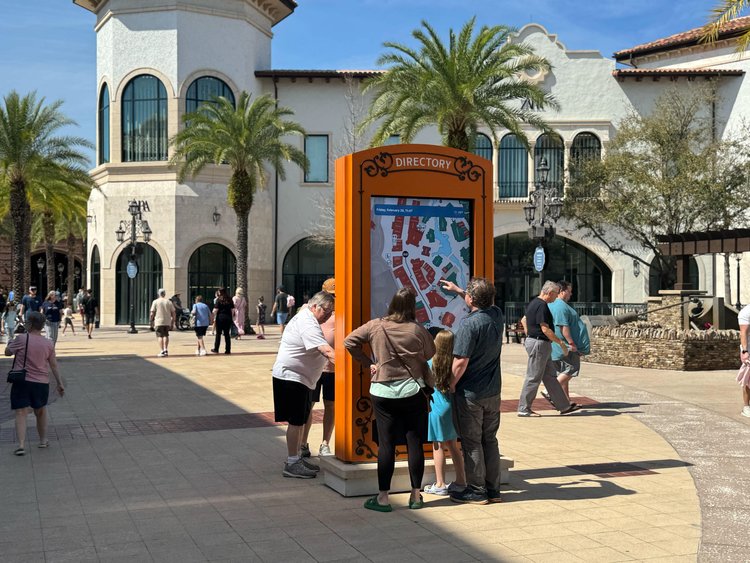
One of the most common settings for digital signage is retail. Large shopping centers often span multiple floors and hundreds of stores, creating a complex environment for visitors. Static maps can quickly become outdated when stores move or close, leaving shoppers frustrated.
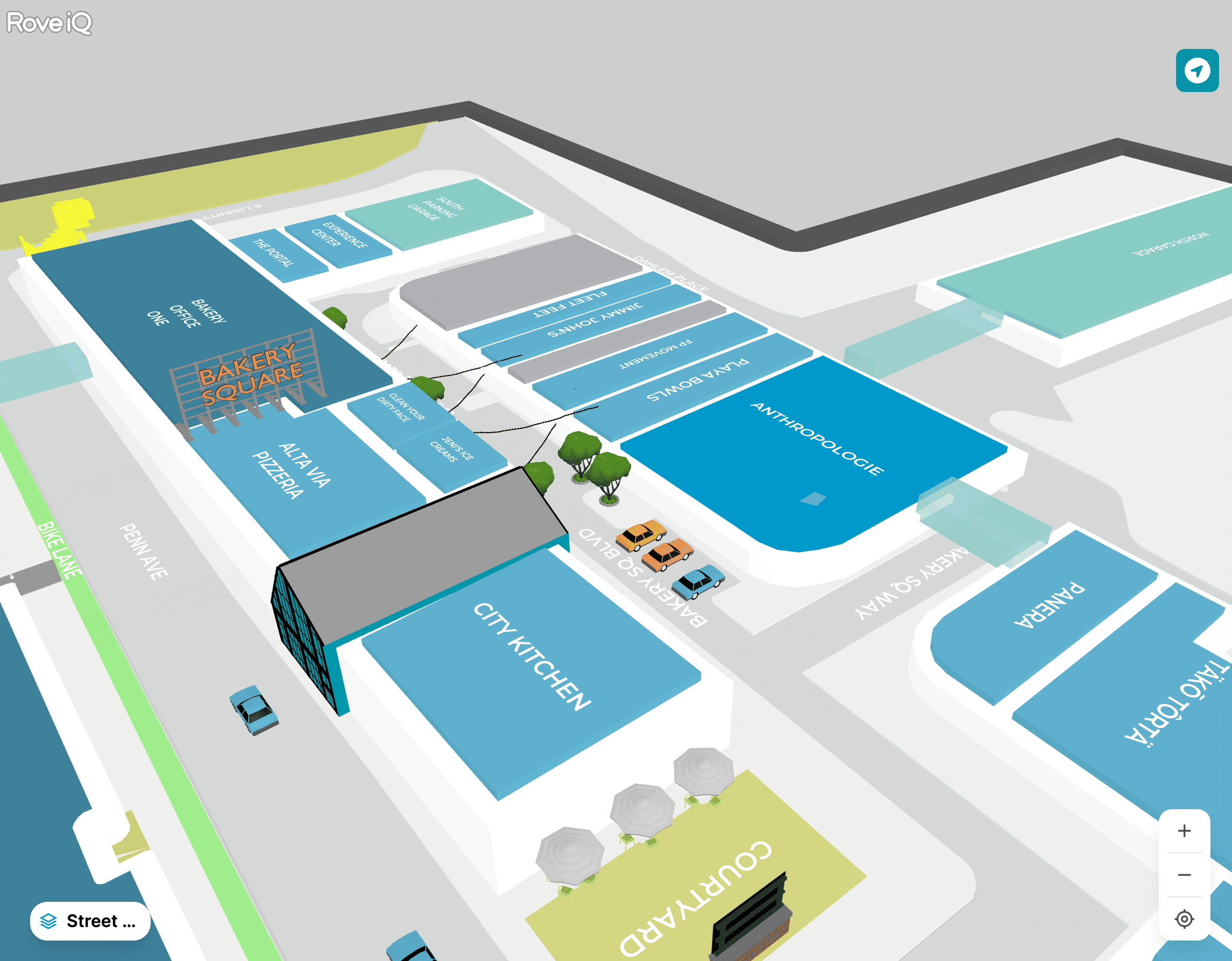
Digital directional signage solves this problem by offering interactive 3D maps that update instantly. Visitors can search for a brand, category, or service, and the display provides a step-by-step path. For instance, a digital directory board in a mall can highlight dining options, restroom locations, and entertainment venues with just a few taps.
Beyond navigation, these displays also support promotional content, selfie taking with consumer data gathering. Retailers can highlight current sales or special events while helping customers find their way. The result is not only easier navigation but also increased engagement with the mall’s offerings and gathering kiosk usage data to make smarter decisions for the property in terms of leasing and marketing.
Hospitals and Healthcare Facilities
Hospitals are often described as labyrinths of corridors and departments. Patients, visitors, and even staff members may struggle to reach the right destination on time. In healthcare, delays caused by confusion can increase stress and impact the quality of care.
Digital directory signage addresses this challenge by guiding visitors with clear, real-time instructions. When someone checks in at the lobby, an interactive kiosk can display directions to the correct wing or department. Updates are seamless. If a clinic moves to a different floor, the signage reflects the change immediately without printing new maps.
Accessibility features such as multilingual support make these tools more inclusive. For example, a patient who doesn’t speak English fluently can still navigate the hospital confidently with translated instructions. Digital signage in healthcare improves efficiency while creating a calmer, more supportive environment for patients and their families.
Airports and Transportation Hubs
Airports are another prime example where wayfinding plays a vital role. With flights departing from dozens of gates and thousands of travelers moving through daily, clear signage is critical. Static signs struggle to keep up with the constant changes in gate assignments and schedules.
Digital directional signage offers real-time updates that reflect the latest changes. A traveler can check a digital directory board to confirm their departure gate, see updated boarding times, and follow arrows to security checkpoints. These systems also integrate with flight information displays to deliver a seamless flow of information.
In addition to helping travelers move efficiently, airports use directional signage for safety. During emergencies, digital boards can instantly switch to evacuation routes and instructions. This flexibility makes them far more effective than static signage in fast-moving situations.
Universities and Educational Campuses
Colleges and universities often cover sprawling grounds with multiple buildings, dormitories, and departments. New students and visitors can feel overwhelmed during their first time on campus. Even returning students may need assistance navigating unfamiliar classrooms or administrative offices.
Digital directory signage at key entry points simplifies this process. Students can search for specific buildings, lecture halls, or events and receive clear guidance. The signage can also integrate with event calendars, highlighting activities such as lectures, performances, or sporting events.
Beyond functionality, digital boards contribute to campus culture. They can display student achievements, campus news, or community updates alongside maps and directions. This dual purpose makes them an integral part of the educational experience, not just a navigation tool.
Corporate Campuses and Office Complexes
Large organizations often operate across multiple buildings or office floors. For employees, clients, and visitors, finding the right conference room or department can be time-consuming. Digital directional signage addresses these challenges with interactive features tailored for corporate environments.
A digital directory board in a corporate lobby can list office tenants, meeting rooms, and amenities. Visitors can search by company name or employee and receive precise instructions. For organizations that host frequent events or client meetings, this eliminates the need for temporary printed signs or staff assistance.
In addition, corporations can use these displays to reinforce their branding. Alongside navigation tools, digital signage can showcase the company’s values, achievements, or upcoming initiatives. This creates a polished, professional environment while keeping navigation stress-free.
Hotels and Hospitality Venues
Hotels, resorts, and convention centers thrive on customer experience. Guests often arrive tired from travel, and the last thing they want is confusion about where to go. Digital directional signage eases this process by guiding guests to check-in counters, restaurants, pools, or conference areas.
In convention centers, where events span multiple halls and sessions, a digital directory board is invaluable. It can display event schedules, room assignments, and real-time updates, ensuring attendees always know where to go next. For international visitors, multilingual support is an added advantage.
Hotels can also use digital signage to highlight on-site promotions, spa services, or local attractions. By combining wayfinding with marketing, they enrich the guest experience while driving revenue opportunities.
Museums, Theaters, and Cultural Institutions
Cultural spaces often welcome a high volume of visitors who need guidance. Museums with multiple wings, theaters with tiered seating, and cultural centers hosting diverse events all benefit from clear navigation.
Digital directory signage allows guests to locate exhibits, restrooms, and exits quickly. It also enhances storytelling by integrating interactive maps with background information about exhibits or performances. For example, a museum visitor can find directions to the Egyptian wing while reading a preview about the collection.
Theater-goers, meanwhile, can locate their seats more easily with digital boards directing them by section or ticket number. This reduces crowding and creates a smoother experience.
Government Buildings and Public Services
Government centers often serve large groups of people seeking different services, from licensing to tax offices. Long lines and confusing layouts can create frustration and inefficiency.
With digital directional signage, visitors can enter a public service building and instantly find where they need to go. Interactive kiosks can direct someone to the correct office, saving staff from answering repetitive questions.
Updates are also simple. If offices move or schedules change, administrators can make adjustments remotely without replacing physical signs. This adaptability saves costs and keeps public buildings user-friendly.
Sports Arena Mixed Use and Entertainment Venues
Stadiums and arenas can host tens of thousands of people at a time, creating intense demand for smooth crowd management. Visitors need to find entrances, seats, concessions, and restrooms quickly.
Digital directory boards placed strategically throughout the mixed use venue make navigation easier. Guests can check their seat location, see wait times at concessions, or get directions to parking areas. During events, signage can also display live scores, promotional offers, emergency instructions, and sponsorship opportunities to generate more revenue.
This real-time flexibility enhances both safety and enjoyment, making digital signage an indispensable tool for modern entertainment venues.
Smart Cities and Outdoor Applications
Urban spaces are increasingly adopting smart city technologies. Digital directional signage fits naturally into this trend, offering real-time information in public areas. City squares, bus terminals, and outdoor parks can feature digital boards that guide residents and tourists alike.
These systems can integrate with transit schedules, local events, and safety alerts. A tourist exploring a new city might use a kiosk to find the nearest restaurant or museum. Residents can see bus arrival times or road closures without opening an app.
Outdoor displays designed for durability make digital wayfinding just as practical outside as indoors, expanding its impact across public spaces.
Why Digital Directional Signage Matters
The common thread across all these use cases is the ability of digital signage to simplify complex environments. Static signs serve a purpose, but they can’t adapt as quickly or deliver the same level of engagement.
By combining intuitive navigation with real-time updates, digital signage improves efficiency, accessibility, and customer satisfaction. From reducing wait times in hospitals to streamlining guest experiences in hotels, its applications continue to grow across industries.
RoveIQ: Your Partner in Experiential Wayfinding
At RoveIQ, we specialize in creating digital signage solutions that transform how people interact with spaces. Our hardware and software work together to simplify navigation, making environments more welcoming and intuitive.
We build experiences that go beyond directions, combining interactivity, customization, and visual appeal. Whether it’s a digital directory board in a shopping mall or digital directory signage in a healthcare setting, our solutions deliver value by enhancing both functionality and engagement.
If you’re looking to modernize navigation in your space, explore how our technology can guide your visitors, improve efficiency, and create memorable experiences.